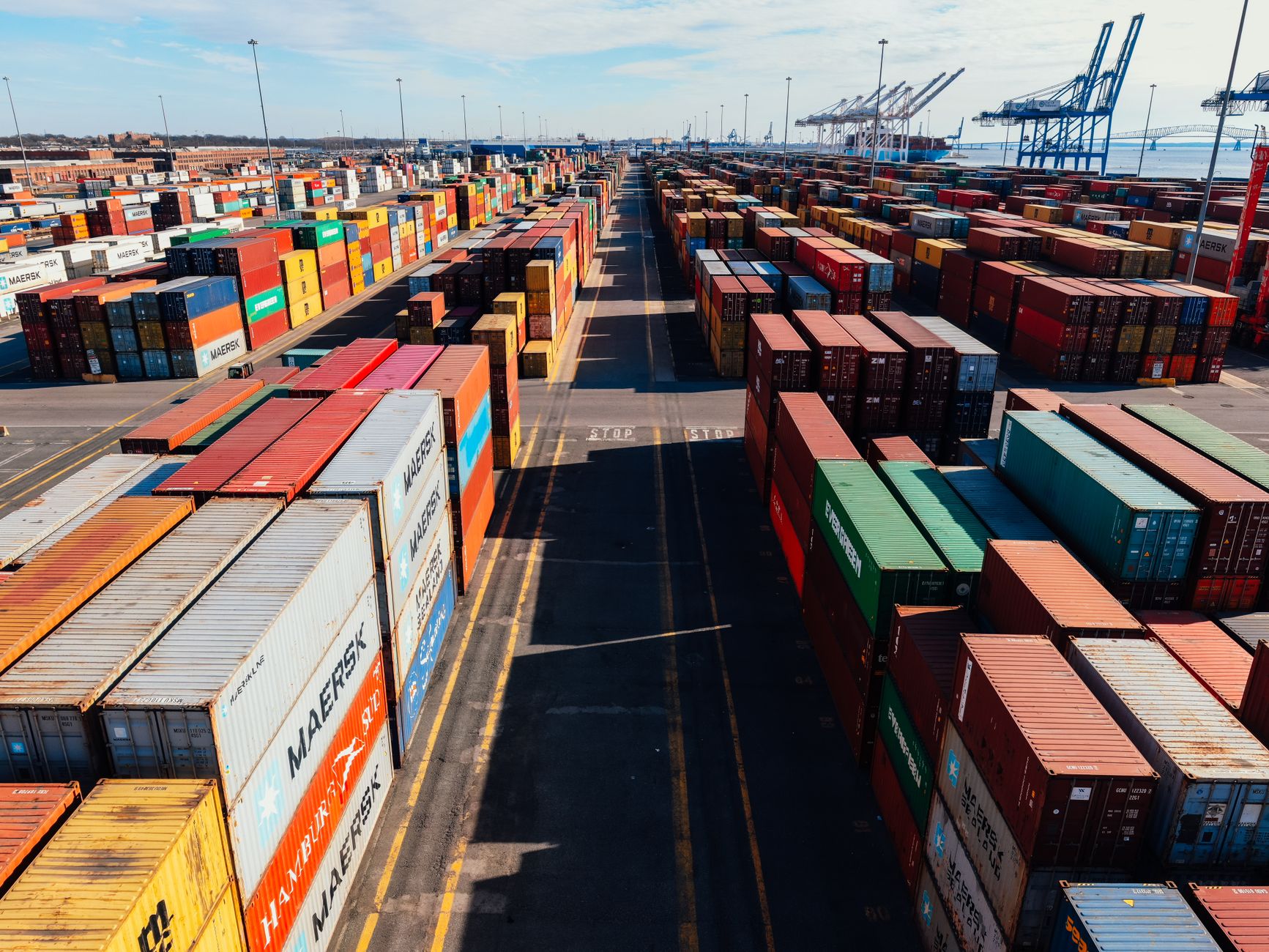
How to Find Logistics Partners USA: Your Ultimate Guide
find logistics partners usa

How to Find Logistics Partners USA: Your Ultimate Guide

Master the art of selecting the perfect logistics partner to streamline operations and drive business growth across the USA.

Find Your Partner

Key Takeaways

  • ✓ The US logistics market is valued at over $1.7 trillion, highlighting its complexity and opportunity.
  • ✓ Third-Party Logistics (3PL) providers handle over 80% of Fortune 500 companies' logistics needs.
  • ✓ Effective logistics partnerships can reduce shipping costs by up to 20% and improve delivery times by 15%.
  • ✓ Technology integration (WMS, TMS) is a critical factor in successful logistics partnerships.
  • ✓ Over 70% of businesses consider customer service and communication as top priorities when selecting a logistics partner.

How It Works

1
Assess Your Needs

Clearly define your current logistics challenges, future goals, and specific service requirements (e.g., warehousing, transportation, fulfillment). Understand your volume, product types, and desired geographical reach.

2
Research & Identify Potential Partners

Utilize industry directories, online searches, and peer recommendations to create a shortlist of reputable logistics providers in the USA. Look for companies with relevant experience and a strong track record.

3
Vetting & Due Diligence

Thoroughly evaluate shortlisted partners based on their technology, infrastructure, financial stability, service offerings, and customer reviews. Request proposals and conduct site visits or virtual tours.

4
Negotiate & Onboard

Finalize terms, service level agreements (SLAs), and pricing. Establish clear communication channels and integrate systems for a seamless transition. Continuously monitor performance and foster a collaborative relationship.

Understanding the Landscape of US Logistics Partners

High-angle view of freight trains and tracks in Poznań, Poland. Photo: Marcin Jozwiak / Pexels
Navigating the vast and intricate US logistics landscape requires a foundational understanding of the various types of partners available and their specialized services. The United States, with its immense geographical spread and diverse economic activities, presents unique challenges and opportunities for supply chain management. Businesses looking to find logistics partners USA must first identify the specific needs their operations demand, whether it's for first-mile, middle-mile, or last-mile delivery, warehousing, or specialized freight. The market is broadly categorized into several key players, each offering distinct advantages. Third-Party Logistics (3PL) providers are perhaps the most comprehensive, offering integrated services that can include transportation, warehousing, cross-docking, inventory management, packaging, and freight forwarding. These partners are crucial for companies seeking to outsource entire segments of their supply chain, benefiting from economies of scale, specialized expertise, and advanced technology without significant capital investment. Beyond 3PLs, businesses might consider freight forwarders who specialize in organizing shipments for individuals or corporations to get goods from the manufacturer or producer to a market, customer, or final point of distribution. They handle the complex logistics of international shipping, including customs clearance and documentation, making them invaluable for import/export businesses. Then there are dedicated trucking companies that offer full truckload (FTL) or less-than-truckload (LTL) services, providing direct transportation solutions. Warehousing and distribution centers, often standalone entities or part of a larger 3PL's offering, provide critical storage and order fulfillment capabilities. The choice of partner is heavily influenced by factors such as the type of goods being shipped, volume, required speed, budget, and the geographical reach needed within the USA. For instance, a small e-commerce business might prioritize a 3PL with strong e-commerce fulfillment capabilities and nationwide reach, while a large manufacturing firm might seek a partner specializing in heavy haul or intermodal transport. Understanding these distinctions is the first critical step in building an efficient and resilient supply chain. The US infrastructure, comprising highways, railways, waterways, and air cargo facilities, dictates the operational modalities of these partners. Selecting a partner with a strong network and strategic hubs across the country, particularly near major ports or population centers, can significantly reduce transit times and costs. Moreover, the increasing demand for expedited shipping and complex supply chains has led to the rise of specialized logistics providers focusing on cold chain logistics, hazardous materials, or oversized cargo. As you delve deeper into how to optimize your logistics, recognizing these specialized niches becomes paramount.

Key Criteria for Selecting Your Ideal Logistics Partner

Delivery worker using a tablet to manage shipments with stacked boxes in the background. Photo: Artem Podrez / Pexels
Once you understand the types of logistics partners available, the next crucial step is to establish a rigorous set of criteria for evaluation to find logistics partners USA that truly align with your business objectives. This isn't merely about finding the cheapest option; it's about identifying a strategic ally that can contribute to your long-term success. One of the foremost criteria is their service offering and specialization. Does the partner provide the specific services you require, whether it's temperature-controlled warehousing, expedited shipping, reverse logistics, or advanced e-commerce fulfillment? Their expertise should directly match your operational needs. Furthermore, their geographical coverage within the USA is vital. A partner with a robust network of facilities and transportation routes across key regions can ensure efficient delivery and reduced transit times, particularly if your customer base is nationwide. Technology and infrastructure are equally critical. Modern logistics demands cutting-edge technology, including Warehouse Management Systems (WMS), Transportation Management Systems (TMS), and robust data analytics capabilities. These systems enable real-time tracking, inventory optimization, improved visibility, and predictive analysis, all of which are essential for informed decision-making and operational efficiency. Inquire about their integration capabilities with your existing ERP or e-commerce platforms. A partner with outdated technology can become a bottleneck, hindering your growth. Financial stability and reputation are also non-negotiable. You need a partner that is financially sound and has a proven track record of reliability and customer satisfaction. Check industry references, case studies, and independent reviews. A partner's reputation for ethical practices, compliance, and responsiveness speaks volumes about their operational integrity. Scalability is another key consideration. As your business grows, your logistics needs will evolve. Can your chosen partner scale their services up or down to accommodate fluctuating demand, seasonal peaks, or market expansion? A flexible partner can prevent costly disruptions and ensure continuity of service. Lastly, delve into their customer service and communication protocols. A strong partnership is built on clear, consistent communication and proactive problem-solving. How accessible are they? What are their response times? Do they offer dedicated account managers? These factors significantly impact the day-to-day management of your supply chain and the overall success of the partnership. Evaluating potential partners against these comprehensive criteria will help you make an informed decision that supports your business's strategic goals.

The Vetting Process: Due Diligence for Long-Term Partnership
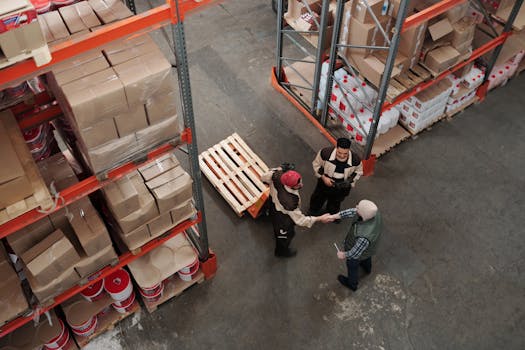
High angle view of workers shaking hands in a warehouse, symbolizing teamwork and logistics. Photo: Tiger Lily / Pexels
The vetting process is arguably the most critical stage when you seek to find logistics partners USA. It moves beyond initial criteria to deep-dive due diligence, ensuring that your chosen partner is not only capable but also a cultural and strategic fit for your organization. This phase requires meticulous investigation and structured evaluation. Begin by requesting detailed proposals that clearly outline service specifics, pricing structures, and proposed solutions to your unique challenges. These proposals should be comprehensive and allow for direct comparison between potential partners. Don't shy away from asking for a breakdown of costs, including any hidden fees or surcharges, to ensure full transparency. Reference checks are indispensable. Speak directly with current and former clients of the logistics provider. Ask targeted questions about their experiences regarding reliability, communication, problem resolution, and overall satisfaction. Inquire about specific situations, such as how the partner handled unforeseen challenges or peak season demands. A reputable partner will be transparent and willing to provide relevant contacts. Furthermore, a physical or virtual site visit to their facilities is highly recommended. This allows you to assess the condition of their warehouses, the efficiency of their operations, the quality of their equipment, and the safety protocols in place. Observe their staff in action and gauge their professionalism and adherence to best practices. This firsthand insight can reveal a lot about their operational standards and commitment to quality. Examine their financial health. A financially stable partner is less likely to face operational disruptions due to monetary issues. Request financial statements or evidence of their stability. Review their insurance coverage to ensure adequate protection against potential losses or liabilities. Compliance is another critical area. Verify that the logistics provider adheres to all relevant federal, state, and local regulations, including transportation safety, labor laws, and environmental standards. Any non-compliance could expose your business to significant risks. Finally, assess their commitment to continuous improvement and innovation. The logistics industry is constantly evolving, driven by technological advancements and changing consumer expectations. A forward-thinking partner will invest in new technologies, training, and process optimization to stay competitive and provide superior service. Engage in discussions about their future plans and how they intend to adapt to market shifts. Remember that selecting a logistics partner is akin to forming a long-term strategic alliance, so thorough due diligence in this vetting process will lay the groundwork for a successful and enduring relationship. This careful selection process is integral to a strong supply chain management strategy.

Common Mistakes to Avoid When Partnering with Logistics Providers

A colossal cargo ship loaded with containers navigates through calm waters against a vibrant sunset sky. Photo: Pixabay / Pexels
While the process of finding and vetting logistics partners in the USA can be complex, understanding common pitfalls can help businesses avoid costly errors and ensure a more successful partnership. One of the most prevalent mistakes is focusing solely on price. Opting for the cheapest provider without thoroughly evaluating their service quality, reliability, and capabilities often leads to unforeseen costs, delays, and dissatisfied customers. The true cost of logistics extends beyond the quoted rate; it includes the cost of lost sales due to late deliveries, damaged goods, or poor customer service. Another frequent error is neglecting to clearly define your expectations and requirements upfront. Vague service level agreements (SLAs) or a lack of detailed operational guidelines can lead to misunderstandings and unmet expectations. Both parties must have a crystal-clear understanding of responsibilities, performance metrics, communication protocols, and escalation procedures. Without this clarity, disputes are inevitable, and the partnership's effectiveness diminishes. Many businesses also fail to conduct adequate due diligence. This goes beyond checking references; it involves a comprehensive review of financial stability, insurance, technology infrastructure, and regulatory compliance. Skipping any of these steps can expose your business to significant risks, from operational disruptions to legal liabilities. It's crucial to verify their actual capabilities rather than just relying on their sales pitch. Underestimating the importance of cultural fit is another mistake. A logistics partner becomes an extension of your business, and their values, communication style, and approach to problem-solving should align with yours. A mismatch in culture can lead to friction, inefficiencies, and a lack of collaborative effort, undermining the partnership's potential. Lastly, failing to implement robust performance monitoring and regular reviews can be detrimental. A partnership is not a set-it-and-forget-it arrangement. Regular performance reviews, data analysis, and open communication are essential to identify areas for improvement, address issues proactively, and ensure the partnership continues to deliver value. Without ongoing oversight, inefficiencies can creep in, and the partnership may stagnate. By being aware of these common mistakes and actively working to circumvent them, businesses can foster stronger, more productive, and ultimately more successful relationships with their logistics partners across the USA. Key mistakes to avoid: * **Prioritizing price over value:** The cheapest option often proves more expensive in the long run due to hidden costs and poor service. * **Vague contract terms:** Lack of detailed SLAs leads to misunderstandings and unmet expectations. * **Insufficient due diligence:** Skipping checks on financial stability, insurance, and compliance exposes your business to risks. * **Ignoring cultural alignment:** A mismatch in values and communication styles can hinder collaboration. * **Lack of continuous monitoring:** Failing to track performance and conduct regular reviews allows problems to fester and opportunities for optimization to be missed.

Comparison

FeatureLarge 3PL (e.g., C.H. Robinson)Regional Carrier (e.g., Estes Express)Niche Fulfillment Center (e.g., specializing in e-commerce)
Service BreadthComprehensive (FTL, LTL, Intermodal, Global, Warehousing)Focused (LTL, Regional FTL)Specialized (E-commerce fulfillment, pick & pack, returns)
Geographical ReachNationwide & InternationalSpecific Regions/StatesNationwide (via network) or specific areas
Technology IntegrationAdvanced WMS/TMS, API, EDIStandard TMS, online trackingE-commerce platform integration, WMS
Cost StructureCompetitive for high volume, complex needsCost-effective for regional LTLVariable, often per-unit pricing for fulfillment
Flexibility/ScalabilityHigh, can handle large fluctuationsModerate, dependent on regional capacityHigh for specific fulfillment needs
Customer ServiceDedicated account managers, robust supportStandard customer supportPersonalized for fulfillment clients

What Readers Say

"Finding the right logistics partner in the USA was a game-changer for our e-commerce business. We partnered with a 3PL that streamlined our fulfillment process, reducing our shipping errors by 30% and significantly cutting down on delivery times across the country."

Sarah J. · Austin, TX

"Our previous logistics provider was a constant headache. After using this guide to find logistics partners USA, we found a regional carrier that perfectly fit our LTL needs, leading to much faster and more reliable deliveries within the Midwest."

Mark D. · Chicago, IL

"The detailed vetting process outlined here helped us identify a fantastic warehousing partner. They integrated seamlessly with our inventory system, resulting in a 20% reduction in storage costs and a 15% improvement in order accuracy. Truly transformative!"

Emily R. · Miami, FL

"This article provided excellent guidance on what to look for. While our initial choice wasn't perfect, the criteria helped us pivot quickly and find a more suitable freight forwarder who better understood our cross-border shipping complexities. Good resource overall."

John P. · Los Angeles, CA

"As a small business, outsourcing our logistics felt daunting. This guide broke down how to find logistics partners USA into manageable steps. We're now working with a 3PL that manages our entire supply chain, allowing us to focus on product development and growth."

Maria K. · New York, NY

Frequently Asked Questions

What is the most important factor when looking to find logistics partners USA?

The most important factor is aligning the partner's capabilities and specializations with your specific business needs and strategic goals. This includes assessing their service offerings, geographical reach, technological prowess, and cultural fit to ensure a harmonious and efficient long-term partnership rather than just a transactional relationship.

How can I ensure my chosen logistics partner is reliable?

Ensuring reliability involves thorough due diligence. This includes checking references, reviewing their financial stability, verifying their insurance coverage, and conducting site visits. Look for partners with a strong track record, positive client testimonials, and robust operational processes and contingency plans.

What technology should I expect from a good logistics partner?

A good logistics partner should offer advanced technology such as a Warehouse Management System (WMS) for inventory control, a Transportation Management System (TMS) for shipment optimization, and robust API/EDI integration capabilities. Real-time tracking, data analytics, and reporting tools are also crucial for visibility and informed decision-making.

Is it more cost-effective to use a single 3PL or multiple specialized partners?

The cost-effectiveness depends on your business's scale, complexity, and specific needs. A single 3PL can offer economies of scale, simplified management, and integrated services, often being more cost-effective for comprehensive outsourcing. However, multiple specialized partners might be better for highly niche requirements or if you prefer to retain control over certain aspects of your supply chain, potentially leading to optimized costs in specific areas.

How do I compare different logistics proposals effectively?

To compare proposals effectively, create a standardized scorecard based on your key criteria (e.g., cost, service level, technology, scalability, experience). Ensure all proposals provide comparable data points and ask clarifying questions to fill any gaps. Don't just compare the bottom-line price; analyze the value proposition and total cost of ownership.

Who should consider outsourcing their logistics to a partner in the USA?

Businesses of all sizes can benefit from outsourcing logistics. Small to medium-sized enterprises (SMEs) can gain access to advanced infrastructure and expertise without significant capital investment. Larger enterprises can leverage partners for scalability, specialized services, and to focus on their core competencies, improving efficiency across their supply chain operations.

What are the biggest risks of choosing the wrong logistics partner?

Choosing the wrong partner can lead to significant risks including increased operational costs, delayed or lost shipments, damaged goods, poor customer satisfaction, reputational damage, and potential legal liabilities. It can also disrupt your entire supply chain, hindering growth and market competitiveness.

What future trends should I consider when selecting a logistics partner?

Consider partners who are investing in automation (robotics, AI), sustainability initiatives (green logistics, carbon footprint reduction), data analytics for predictive insights, and enhanced last-mile delivery solutions. Future-proofing your logistics means selecting a partner that embraces innovation and adapts to evolving industry demands.

Ready to transform your supply chain? Use this comprehensive guide to find logistics partners USA that can propel your business forward. Don't settle for less; choose a partner that aligns with your vision for efficiency, reliability, and growth today.

Topics: find logistics partners usalogistics companies usasupply chain partners3PL selectionfreight forwarding usa
Leo List

IE Escorts NO Escorts US Escorts NZ Escorts AU Escorts
Brampton weed
Adultwork EstrelaBet Vai de Bet R7 Bet Betão Galera Bet Rainbet Bet9ja Shop SportyBet BetKing Sisal Loto Foot Hollywoodbets YesPlay Odibets RushBet Jugabet BetWarrior BetCity MSport betPawa Fortebet