How Does Logistics Work? Your Ultimate Supply Chain Guide
how does logistics work

How Does Logistics Work? Your Ultimate Supply Chain Guide

Unlock the secrets of efficient goods movement, from raw materials to customer delivery, for streamlined operations.

Explore Logistics Now

Key Takeaways

  • ✓ Logistics encompasses the planning, implementation, and control of goods, services, and information flow.
  • ✓ It's a critical component of supply chain management, ensuring products reach customers efficiently.
  • ✓ Key functions include transportation, warehousing, inventory management, and order fulfillment.
  • ✓ Effective logistics can significantly reduce costs and improve customer satisfaction.

How It Works

1
Sourcing and Procurement

This initial stage involves identifying and acquiring the raw materials, components, or finished goods needed for production or resale. It's about securing the right items from the right suppliers at the right price.

2
Transportation and Warehousing

Once sourced, goods are moved from suppliers to storage facilities, often involving multiple modes of transport. Warehousing provides a secure, organized space for inventory until it's needed for distribution.

3
Inventory Management and Order Fulfillment

This step focuses on tracking and managing stock levels to meet demand without excess. When an order is placed, it triggers the picking, packing, and dispatch of goods from the warehouse.

4
Last-Mile Delivery and Reverse Logistics

The final leg of delivery brings the product directly to the customer, often the most complex and costly part. Reverse logistics handles returns, repairs, and recycling, completing the product lifecycle.

The Foundation: Understanding Supply Chain Management and Logistics

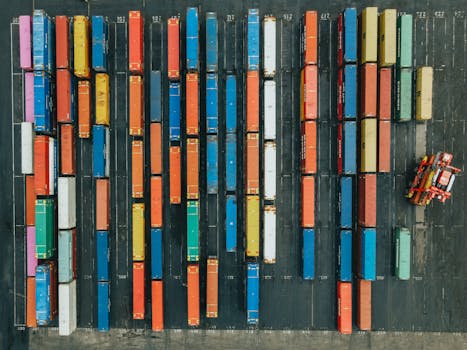
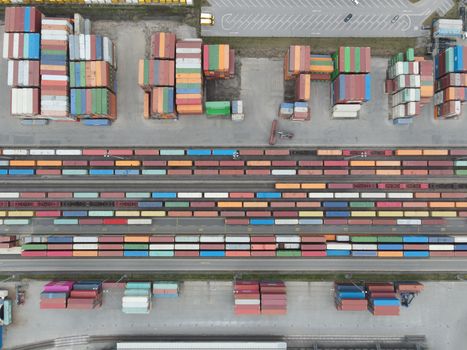
Aerial shot of stacked cargo containers at Regensburg port showcasing freight transport activity. Photo: Tobi &Chris / Pexels
To truly grasp how does logistics work, we must first lay the groundwork by understanding its broader context: supply chain management. While often used interchangeably, logistics is a vital subset of the overarching supply chain. Supply chain management (SCM) is the comprehensive process of managing the flow of goods and services, encompassing all processes that transform raw materials into final products. It involves actively streamlining a business's supply-side activities to maximize customer value and gain a competitive advantage. This includes everything from product development, sourcing, production, and logistics, to information systems needed to coordinate these activities. Logistics, on the other hand, is the detailed organization and implementation of a complex operation. In a business context, it refers specifically to the management of the flow of things between the point of origin and the point of consumption to meet requirements of customers or corporations. This involves the integration of information flow, material handling, production, packaging, inventory, transportation, warehousing, and often security. Think of the supply chain as the entire river system, with logistics being the intricate network of canals and locks that ensure water (goods) flows smoothly and efficiently from its source to its destination. Without effective logistics, the entire supply chain grinds to a halt. It's not just about moving items; it's about moving the *right* items, to the *right* place, at the *right* time, in the *right* quantity, at the *right* cost, and in the *right* condition. This 'seven Rs' principle underpins all logistical operations. From the moment raw materials are extracted from the earth to the point a finished product lands on a customer's doorstep, logistics orchestrates every physical movement and the accompanying data flow. Businesses that master this intricate dance gain significant advantages, including reduced operational costs, improved customer satisfaction, and enhanced market responsiveness. Understanding this distinction is crucial for anyone looking to optimize their operational efficiency and competitive edge in today's fast-paced global marketplace.

Key Pillars of Logistics Operations: From Origin to Destination

A white delivery truck exits a dimly lit warehouse loading dock, surrounded by packages and pallets. Photo: Juan R. Real / Pexels
Delving deeper into how does logistics work reveals several core operational pillars, each critical to the seamless movement of goods. These pillars interact dynamically, forming a robust system that ensures products reach their intended recipients efficiently. The first pillar is **Transportation**. This is arguably the most visible aspect of logistics, involving the physical movement of goods. It encompasses various modes such as road (trucking), rail, air, and sea freight, each with its own advantages and disadvantages concerning speed, cost, capacity, and reach. The choice of transportation mode depends on factors like the product's nature, urgency, distance, and budget. For instance, high-value, time-sensitive goods might opt for air freight, while bulk commodities often travel by sea or rail. Effective transportation management involves route optimization, carrier selection, freight consolidation, and real-time tracking. The second pillar is **Warehousing and Storage**. Once goods are transported, they often require temporary storage before further distribution. Warehouses act as central hubs, facilitating the efficient flow of inventory. Modern warehousing goes beyond mere storage; it includes activities like cross-docking (transferring goods directly from inbound to outbound without long-term storage), order picking, packing, and even light assembly. The strategic location of warehouses, their layout, and the technologies used within them (e.g., automated retrieval systems, inventory management software) are crucial for minimizing handling costs and speeding up order fulfillment. **Inventory Management** forms the third pillar, focusing on optimizing the quantity and availability of stock. This involves forecasting demand, setting reorder points, managing lead times, and minimizing holding costs while preventing stockouts. Techniques like Just-In-Time (JIT) inventory aim to reduce inventory levels by receiving goods only as they are needed, thereby cutting storage costs and waste. However, JIT requires highly reliable supply chains. Conversely, safety stock is maintained to buffer against unexpected demand spikes or supply disruptions. Finally, **Order Fulfillment and Information Flow** tie everything together. Order fulfillment is the process from the point of sale to the delivery of the product to the customer. This includes order processing, picking, packing, shipping, and delivery. An often-overlooked but absolutely critical component is information flow. Modern logistics relies heavily on data — from tracking inventory levels and shipment statuses to managing customer orders and coordinating with suppliers and carriers. Sophisticated Logistics Management Systems (LMS) and Enterprise Resource Planning (ERP) software integrate these various functions, providing visibility and control across the entire logistical process. This constant exchange of accurate, real-time information is what allows logistics operations to adapt to challenges, optimize efficiency, and ultimately, deliver on time.

The Strategic Edge: Technology, Optimization, and Global Logistics

Delivery worker using a tablet to manage shipments with stacked boxes in the background. Photo: Artem Podrez / Pexels
Understanding how does logistics work in the modern era necessitates an examination of the transformative role of technology, the relentless pursuit of optimization, and the complexities of global operations. Technology has revolutionized logistics, moving it from a manual, paper-driven process to a highly automated and data-intensive discipline. Advanced software solutions are at the forefront of this transformation. **Transportation Management Systems (TMS)** optimize routes, manage freight, and track shipments in real-time, often leveraging AI and machine learning to predict delays and suggest alternatives. **Warehouse Management Systems (WMS)** streamline operations within storage facilities, from inventory placement and picking strategies to labor management and equipment utilization. Furthermore, the rise of **IoT (Internet of Things)** devices, such as smart sensors on pallets or vehicles, provides unprecedented visibility into the location and condition of goods throughout their journey. Blockchain technology is also emerging as a tool to enhance transparency and security in complex supply chains, creating immutable records of transactions and movements. Beyond individual systems, the concept of **logistics optimization** is paramount. This involves continuously looking for ways to reduce costs, improve speed, enhance reliability, and minimize environmental impact. It's a holistic approach that considers every facet of the logistical chain. For example, network optimization analyzes warehouse locations, transportation lanes, and customer density to determine the most efficient distribution network. Route optimization algorithms identify the shortest or fastest delivery paths, saving fuel and time. Load optimization ensures that trucks and containers are filled to capacity, reducing wasted space and trips. Reverse logistics, the process of managing returned or unwanted goods, is another area ripe for optimization, transforming potential losses into opportunities for recovery or recycling. Effective logistics is not static; it's a continuous cycle of analysis, adjustment, and improvement. Finally, the intricate world of **global logistics** adds layers of complexity. When goods cross international borders, they encounter diverse regulations, customs procedures, tariffs, and fluctuating exchange rates. This requires specialized expertise in international trade compliance, freight forwarding, and customs brokerage. Companies must navigate different legal frameworks, cultural nuances, and infrastructure capabilities across various countries. The rise of e-commerce has further amplified the need for robust global logistics, as businesses increasingly serve customers worldwide. Managing international shipping involves coordinating multiple carriers, understanding incoterms (international commercial terms), and mitigating risks associated with longer transit times and diverse geopolitical landscapes. The ability to seamlessly manage these global flows is a significant competitive differentiator, enabling businesses to tap into new markets and broaden their customer base.

Navigating the Challenges: Common Mistakes and Best Practices in Logistics

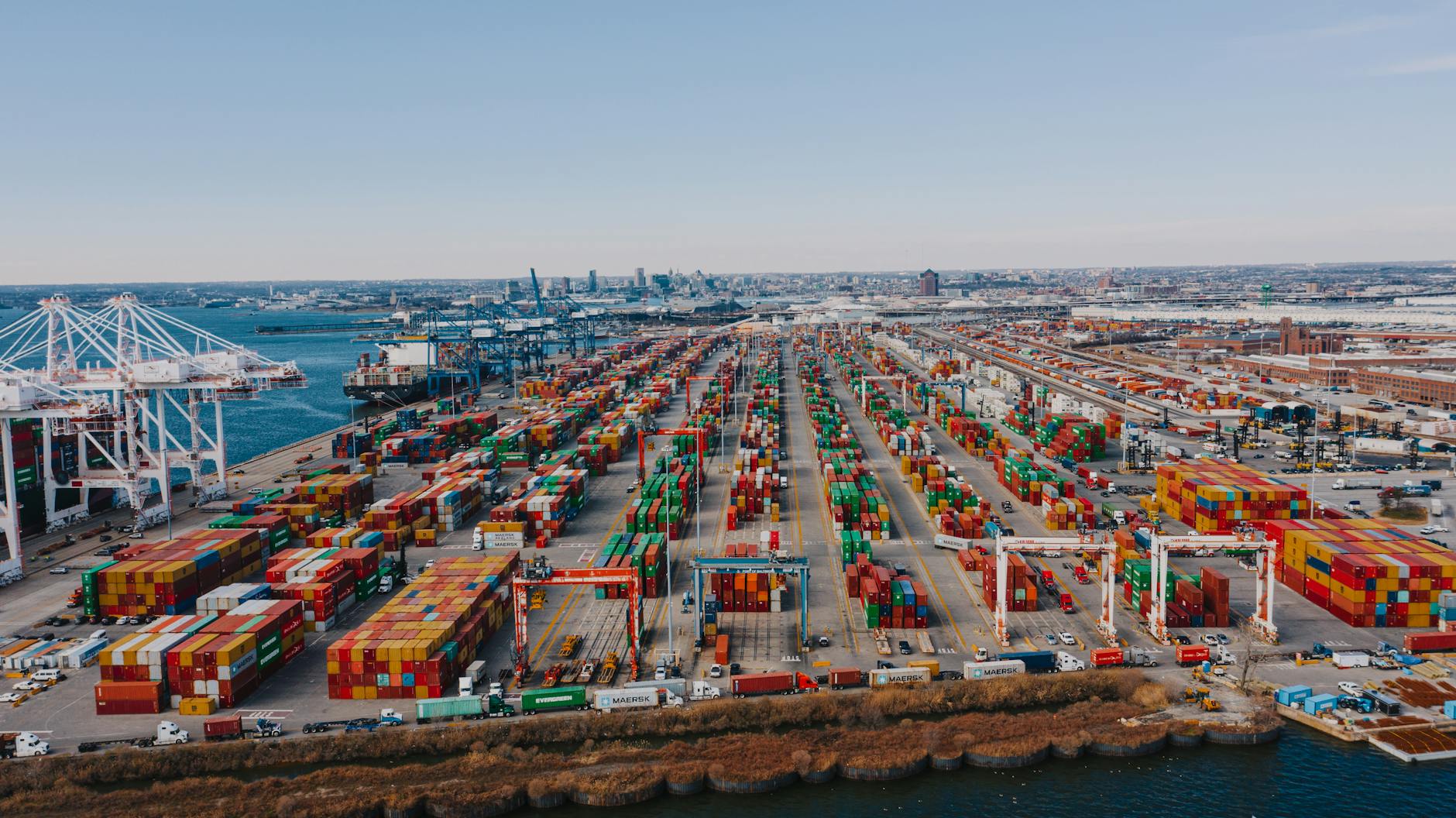
Colorful shipping containers stacked against a clear blue sky, representing global trade and transportation. Photo: Jan van der Wolf / Pexels
Even with advanced systems and strategic planning, the world of logistics is fraught with challenges. Understanding common pitfalls and adopting best practices is crucial for anyone asking how does logistics work effectively. Here are some key mistakes to avoid and strategies to implement: **Common Mistakes in Logistics:** * **Lack of Visibility:** Operating with blind spots regarding inventory levels, shipment status, or supplier performance. This leads to reactive decision-making and frequent disruptions. * **Inefficient Route Planning:** Failing to optimize delivery routes results in higher fuel costs, longer transit times, and increased environmental impact. * **Poor Inventory Management:** Either holding too much stock (tying up capital, increasing storage costs, risk of obsolescence) or too little (leading to stockouts, lost sales, and customer dissatisfaction). * **Underestimating Last-Mile Complexity:** The final leg of delivery to the customer is often the most expensive and challenging, yet many businesses fail to allocate adequate resources or planning here. * **Ignoring Data Analytics:** Not leveraging the vast amounts of data generated by logistics operations to identify trends, predict issues, and drive continuous improvement. * **Inadequate Communication:** Poor coordination between internal departments (sales, production, warehouse) and external partners (suppliers, carriers) can lead to delays and errors. * **Failure to Plan for Disruptions:** Natural disasters, geopolitical events, and unexpected demand spikes can cripple a supply chain without robust contingency plans. **Best Practices for Robust Logistics:** 1. **Embrace Technology:** Invest in WMS, TMS, and ERP systems to automate processes, gain real-time visibility, and improve decision-making. Cloud-based solutions offer flexibility and scalability. 2. **Optimize Your Network:** Regularly review warehouse locations, distribution centers, and transportation lanes to ensure they align with demand patterns and cost efficiencies. 3. **Implement Robust Inventory Strategies:** Utilize demand forecasting tools, safety stock calculations, and potentially JIT principles where appropriate, to strike the right balance between availability and cost. 4. **Prioritize Collaboration:** Foster strong relationships with suppliers, carriers, and third-party logistics (3PL) providers. Open communication and shared goals are vital for resilience. 5. **Focus on Data-Driven Decisions:** Collect, analyze, and act upon logistics data. Key Performance Indicators (KPIs) like on-time delivery rates, order accuracy, and transportation costs should be continuously monitored. 6. **Develop a Resilient Supply Chain:** Build flexibility into your operations. This includes diversifying suppliers, having backup transportation options, and creating crisis management plans. 7. **Invest in Your Workforce:** Train staff on best practices, new technologies, and safety protocols. Engaged and skilled employees are critical for efficient operations. 8. **Sustainability Initiatives:** Integrate environmentally friendly practices, such as optimizing fuel consumption, using electric vehicles, and reducing packaging waste, not just for compliance but for long-term brand value and cost savings. By consciously avoiding these mistakes and integrating these best practices, businesses can transform their logistics operations from a cost center into a strategic advantage, ensuring smooth, efficient, and resilient movement of goods.

Comparison

FeatureIn-House Logistics3PL (Third-Party Logistics)4PL (Fourth-Party Logistics)
Control LevelHighMediumLow (Strategic Oversight)
Expertise RequiredInternal teamProvider's expertiseProvider's expertise & integration
Capital InvestmentHigh (assets, tech)Low (service fees)Very Low (strategic partnership)
ScalabilityLimitedHighVery High
FocusCore business + logisticsCore business + outsourced logisticsCore business + strategic supply chain management
Cost StructureFixed + VariableMostly VariablePerformance-based / Variable
Technology AccessInternal investmentProvider's tech stackIntegrated tech across providers

What Readers Say

"This guide truly demystified how does logistics work for my small e-commerce business. I now understand the importance of inventory management and how it impacts my bottom line. Highly recommend for any business owner!"

Sarah J. · Dallas, TX

"As a new supply chain manager, I found this article incredibly helpful. The breakdown of transportation modes and warehousing strategies gave me practical insights to apply immediately. It's a comprehensive resource."

Mark D. · Chicago, IL

"Our delivery times have improved by 15% since we implemented some of the optimization tips from this article. Understanding how does logistics work better allowed us to identify bottlenecks we hadn't seen before."

Emily R. · Miami, FL

"The information on global logistics was particularly insightful, though I wish there was a bit more detail on specific customs procedures for different regions. Still, a very solid overview and a great starting point."

David L. · Seattle, WA

"From manufacturing to retail, this guide clarified the interconnectedness of logistics. It's not just about shipping; it's about a well-oiled machine that keeps businesses running efficiently. Excellent content!"

Jessica M. · Atlanta, GA

Frequently Asked Questions

What is the primary goal of logistics?

The primary goal of logistics is to ensure the efficient and effective flow of goods, services, and related information from the point of origin to the point of consumption. This involves meeting customer demands while minimizing costs and optimizing resource utilization throughout the supply chain.

Is logistics the same as supply chain management?

No, logistics is a component of supply chain management (SCM). SCM is the broader strategic concept that encompasses all activities involved in the flow of goods, from sourcing raw materials to delivering finished products to consumers. Logistics specifically focuses on the operational aspects of moving and storing goods.

How can I improve my company's logistics efficiency?

To improve logistics efficiency, you can implement several strategies: optimize transportation routes, invest in warehouse management systems (WMS), enhance inventory forecasting, leverage data analytics, and consider partnering with a reliable third-party logistics (3PL) provider. Continuous monitoring and process refinement are also key.

What are the typical costs associated with logistics?

Logistics costs typically include transportation expenses (fuel, labor, vehicle maintenance), warehousing costs (rent, utilities, labor, equipment), inventory holding costs (obsolescence, insurance, capital tied up), order processing costs, and administrative overhead. These can represent a significant portion of a product's total cost.

How do 3PL and 4PL providers differ in logistics?

A 3PL (Third-Party Logistics) provider offers specific operational logistics services like warehousing, transportation, or freight forwarding. A 4PL (Fourth-Party Logistics) provider takes on a broader, more strategic role, managing the entire supply chain, including the selection and oversight of multiple 3PLs, acting as a single point of contact for the client.

Who should prioritize understanding how does logistics work?

Anyone involved in the movement of goods – from small business owners managing their own inventory and shipping, to large corporations with complex global supply chains, e-commerce entrepreneurs, and even consumers who benefit from efficient delivery – should prioritize understanding how does logistics work. It impacts cost, speed, and customer satisfaction across industries.

What are the biggest risks in modern logistics?

Major risks in modern logistics include supply chain disruptions (e.g., natural disasters, geopolitical events), rising fuel costs, labor shortages, cybersecurity threats to digital systems, compliance with evolving international trade regulations, and potential damage or loss of goods during transit or storage.

How will AI and automation change logistics in the future?

AI and automation are set to profoundly transform logistics by enabling predictive analytics for demand forecasting, optimizing complex routing and scheduling, powering autonomous vehicles and drones for delivery, enhancing warehouse automation with robotics, and improving real-time visibility and decision-making across the entire supply chain network.

Mastering how does logistics work is no longer optional; it's essential for business survival and growth. Equip yourself with the knowledge to optimize your operations, reduce costs, and delight your customers in today's dynamic marketplace.

Topics: how does logistics worksupply chain managementlogistics operationsfreight forwardingwarehouse management
Leo List
Brampton weed
Adultwork EstrelaBet Vai de Bet R7 Bet Betão Galera Bet Rainbet Bet9ja Shop SportyBet BetKing Sisal Loto Foot Hollywoodbets YesPlay Odibets RushBet Jugabet BetWarrior BetCity MSport betPawa Fortebet