✓ Logistics is the detailed organization and implementation of a complex operation.
✓ It encompasses planning, implementing, and controlling the efficient, effective forward and reverse flow and storage of goods, services, and related information.
✓ Key components include transportation, warehousing, inventory management, and information flow.
✓ Effective logistics can significantly reduce costs and improve customer satisfaction.
How It Works
1
Planning & Strategy
Logistics begins with meticulous planning, defining the what, when, where, and how of moving products. This involves route optimization, mode selection, and risk assessment.
2
Sourcing & Procurement
Raw materials and components are acquired from suppliers, initiating the flow of goods into the supply chain. This step ensures quality and timely input for production.
3
Warehousing & Inventory
Goods are stored, managed, and prepared for shipment in strategically located warehouses. Efficient inventory control prevents stockouts and reduces holding costs.
4
Transportation & Delivery
The physical movement of goods occurs via various modes – road, rail, air, sea – reaching the final destination. This phase focuses on speed, security, and cost-effectiveness.
Understanding the Core Components of Modern Logistics
Photo: SimplyArt4794 / Pexels
At its heart, understanding how does logistics work involves dissecting its core components, each playing a critical role in the seamless flow of goods from origin to consumption. Modern logistics is far more than just moving boxes; it's a strategic discipline that integrates information, transportation, inventory, warehousing, material handling, and security. The ultimate goal is to deliver the right product to the right customer, at the right time, in the right condition, and at the right cost. This intricate orchestration begins with meticulous planning. Before a single item moves, logistics professionals analyze demand forecasts, supplier capabilities, transportation options, and storage requirements. They develop comprehensive strategies that account for potential disruptions, regulatory compliance, and sustainability goals. This foundational planning minimizes risks and maximizes efficiency throughout the entire supply chain.
One of the most visible aspects is transportation management. This involves selecting the optimal mode of transport – be it road, rail, air, or sea – for different stages of the journey, considering factors like speed, cost, distance, and cargo type. For instance, high-value, time-sensitive goods might opt for air freight, while bulk commodities often travel by sea or rail for cost efficiency. Route optimization software, real-time tracking, and carrier relationship management are integral to this component, ensuring goods arrive on schedule and within budget.
Equally crucial is warehousing and distribution. Warehouses are not merely storage facilities; they are dynamic hubs where goods are received, sorted, stored, picked, packed, and dispatched. Effective warehouse management utilizes technologies like automated storage and retrieval systems (AS/RS), robotics, and advanced inventory management software to optimize space, reduce handling errors, and speed up order fulfillment. The strategic placement of distribution centers closer to customer bases helps reduce transit times and shipping costs, enhancing customer satisfaction.
Inventory management, another vital component, focuses on maintaining optimal stock levels to meet customer demand without incurring excessive holding costs or experiencing stockouts. This involves demand forecasting, setting reorder points, and implementing inventory control techniques such as Just-In-Time (JIT) or Economic Order Quantity (EOQ). The flow of information is the invisible backbone that connects all these components. From electronic data interchange (EDI) between suppliers and manufacturers to real-time tracking updates for customers, accurate and timely information ensures transparency, facilitates decision-making, and allows for rapid adjustments to unforeseen circumstances. Without robust information systems, the complexity of modern logistics would be unmanageable.
Finally, material handling and packaging are essential for protecting goods and facilitating their movement within warehouses and during transit. Proper packaging reduces damage, optimizes container space, and often incorporates sustainable materials. Security measures, from cargo tracking to anti-theft protocols, protect goods from loss or damage throughout their journey. Together, these components form a robust framework, illustrating precisely how does logistics work to keep global commerce flowing.
The Evolution of Logistics: From Simple Transport to Complex Supply Chain Management
Photo: Jan van der Wolf / Pexels
The journey of how does logistics work has transformed dramatically over centuries, evolving from rudimentary transport of goods to the sophisticated, integrated supply chain management systems we see today. Historically, logistics was primarily concerned with the physical movement and storage of goods, often in a reactive manner. Ancient civilizations utilized basic logistics to move food, building materials, and military supplies. The Silk Road, for instance, was an early example of an international trade route heavily reliant on logistics, albeit without modern technology. The industrial revolution brought about significant changes, with the advent of steam power and railways allowing for faster and more voluminous transportation. However, coordination remained largely fragmented, with each step of the process often managed in isolation.
The mid-20th century saw the birth of modern logistics as a distinct discipline, largely influenced by military operational planning during World War II. The need to efficiently move vast quantities of supplies, equipment, and personnel across continents forced a systematic approach to planning, execution, and control. Post-war, these principles were adapted to the commercial sector, recognizing that optimizing the flow of goods could provide a significant competitive advantage. This era introduced concepts like inventory management and warehouse efficiency, moving beyond mere transportation to encompass a broader view of the product's journey.
The 1980s and 1990s witnessed the rise of globalization and information technology, catalyzing another paradigm shift. Companies began to source materials and sell products across international borders, leading to increasingly complex supply chains. The internet and enterprise resource planning (ERP) systems enabled real-time data sharing and better coordination across disparate operations. This period saw the emergence of 'supply chain management' as an overarching concept, integrating logistics with procurement, manufacturing, and customer service. The focus shifted from simply managing the flow of goods to optimizing the entire network for efficiency, responsiveness, and resilience.
Today, the evolution continues at an unprecedented pace. E-commerce has fundamentally reshaped consumer expectations, demanding faster deliveries and more transparent tracking. This has spurred innovations in last-mile delivery solutions, micro-fulfillment centers, and advanced predictive analytics. Technologies like Artificial Intelligence (AI), Machine Learning (ML), and the Internet of Things (IoT) are revolutionizing how does logistics work by providing unprecedented levels of visibility, automation, and optimization. AI-powered algorithms can predict demand with greater accuracy, optimize complex routing, and automate warehouse operations. IoT sensors track goods in real-time, monitoring conditions like temperature and humidity, which is critical for perishable items. Blockchain technology is also being explored to enhance transparency and security in global supply chains.
Furthermore, sustainability has become a critical driver in logistics evolution. Companies are increasingly focused on reducing their carbon footprint, optimizing routes to minimize fuel consumption, utilizing electric vehicles, and implementing eco-friendly packaging. Reverse logistics, the process of managing returned goods, recycling, and waste disposal, has also gained prominence as part of a circular economy approach. This continuous evolution underscores that logistics is not static but a dynamic field constantly adapting to technological advancements, market demands, and global challenges, always seeking to improve the efficiency and effectiveness of moving goods worldwide.
Key Technologies and Innovations Driving Logistics Efficiency
Photo: RDNE Stock project / Pexels
The question of how does logistics work in the modern era is inextricably linked to the rapid advancements in technology. Innovation is the engine driving unparalleled efficiency, transparency, and responsiveness across the entire supply chain. From artificial intelligence to autonomous vehicles, these technologies are not just improving existing processes but fundamentally reshaping the landscape of logistics. One of the most impactful innovations is the widespread adoption of advanced analytics and Artificial Intelligence (AI) and Machine Learning (ML). These tools process vast amounts of data – from historical sales figures and weather patterns to traffic conditions and social media trends – to provide highly accurate demand forecasts. This predictive capability allows logistics managers to optimize inventory levels, plan transportation routes more effectively, and proactively address potential disruptions before they impact operations. AI-powered systems can also automate decision-making in warehouses, such as optimal picking paths or sorting strategies, significantly boosting productivity.
The Internet of Things (IoT) plays a crucial role by providing real-time visibility into the movement and condition of goods. Sensors embedded in products, pallets, vehicles, and warehouse infrastructure collect data on location, temperature, humidity, shock, and more. This constant stream of information allows for precise tracking, ensuring product integrity (especially for sensitive goods like pharmaceuticals or food), and enabling proactive intervention in case of deviations or issues. For example, a cold chain logistics provider can receive an alert if a refrigerated container's temperature rises above a critical threshold, allowing them to take immediate corrective action. This level of granular visibility was unimaginable just a few decades ago.
Automation and robotics are transforming warehousing and material handling. Automated Guided Vehicles (AGVs) and Autonomous Mobile Robots (AMRs) can transport goods within warehouses, reducing the need for manual labor and improving speed and accuracy. Robotic arms perform repetitive tasks like picking, packing, and sorting with consistent precision, especially in e-commerce fulfillment centers where high volumes of diverse orders need to be processed quickly. Drones are also finding applications in inventory checks in large warehouses and for last-mile delivery in remote or difficult-to-access areas. These technologies not only increase efficiency but also improve workplace safety by taking over dangerous or ergonomically challenging tasks.
Blockchain technology is emerging as a powerful tool for enhancing transparency and trust in global supply chains. By creating an immutable, distributed ledger of all transactions and movements, blockchain can provide a single, shared source of truth for all participants – from suppliers and manufacturers to transporters and customs officials. This reduces fraud, streamlines compliance, and makes it easier to trace the origin and journey of products, which is particularly valuable for ethical sourcing and combating counterfeiting.
Finally, advanced transportation management systems (TMS) and warehouse management systems (WMS) integrate these disparate technologies into a cohesive operational framework. TMS platforms optimize routing, manage carrier relationships, track shipments, and handle freight billing. WMS platforms manage inventory, optimize storage, direct picking and packing, and facilitate shipping. These integrated systems are the command centers that bring all the technological innovations together, demonstrating how does logistics work to create a truly intelligent and resilient supply chain. These innovations are not isolated; their synergy creates a powerful ecosystem that constantly pushes the boundaries of what's possible in logistics, making operations faster, smarter, and more reliable.
Common Challenges and Best Practices in Logistics Management
Photo: Jan van der Wolf / Pexels
Even with advanced technology, logistics management faces numerous challenges that can disrupt the flow of goods and impact profitability. Understanding these hurdles and implementing best practices is crucial for any organization trying to master how does logistics work effectively. One of the most persistent challenges is managing fluctuating demand. Seasonal peaks, unexpected market shifts, and economic uncertainties can make demand forecasting incredibly difficult, leading to either costly overstocking or customer-dissatisfying stockouts.
Another significant challenge is rising transportation costs, driven by volatile fuel prices, labor shortages (especially truck drivers), and increasing regulatory compliance. Geopolitical events, natural disasters, and global pandemics have also highlighted the vulnerability of extended global supply chains, leading to disruptions and delays. The complexity of international trade, with its myriad customs regulations, tariffs, and documentation requirements, adds another layer of difficulty.
**Best Practices for Overcoming Logistics Challenges:**
* **Invest in Robust Data Analytics and AI:** Utilize advanced analytics and AI/ML for more accurate demand forecasting, predictive maintenance for vehicles, and optimized route planning. This proactive approach can mitigate many common disruptions.
* **Diversify Your Supply Chain:** Reduce reliance on a single supplier or region. Having alternative sourcing options and redundant transportation routes can build resilience against unexpected disruptions.
* **Embrace Digital Transformation:** Implement integrated logistics platforms (TMS, WMS, ERP) that provide end-to-end visibility. Real-time data sharing among all stakeholders improves coordination and allows for quicker decision-making.
* **Focus on Collaboration:** Foster strong relationships with suppliers, carriers, and third-party logistics (3PL) providers. Open communication and shared goals can lead to more flexible and responsive supply chain partnerships.
* **Optimize Inventory Management:** Implement strategies like Just-In-Time (JIT) where appropriate, or utilize safety stock strategically. Leverage technology to track inventory in real-time and automate reorder points to prevent both excess and shortages.
* **Prioritize Sustainability:** Integrate eco-friendly practices, such as route optimization to reduce fuel consumption, using electric vehicles, and sustainable packaging. This not only benefits the environment but can also lead to cost savings and improved brand image.
* **Continuous Improvement and Training:** Regularly review logistics processes, identify bottlenecks, and implement improvements. Invest in training your logistics team to keep them updated on the latest technologies, regulations, and best practices.
* **Risk Management and Contingency Planning:** Develop comprehensive risk assessment frameworks and contingency plans for various scenarios, including natural disasters, port closures, or cyber-attacks. This preparedness is vital for maintaining business continuity.
By proactively addressing these challenges with strategic best practices, companies can ensure their logistics operations are not just reactive but agile, resilient, and continuously optimized, truly mastering how does logistics work in a dynamic global environment.
Comparison
Feature
In-House Logistics
3PL (Third-Party Logistics)
4PL (Fourth-Party Logistics)
Control Level
High
Moderate
Low (strategic oversight)
Cost Structure
High Fixed, Variable
Variable
Variable (performance-based)
Expertise Required
High internal expertise
Specialized 3PL expertise
Strategic consulting & management
Scalability
Limited, capital intensive
High, flexible
Very High, integrated
Technology Investment
Significant upfront
Included with service
Integrated, best-in-class
Focus
Core business + logistics
Logistics execution
Supply chain optimization
What Readers Say
★★★★★
"This article brilliantly explains how does logistics work from start to finish. I now have a much clearer understanding of the complex processes involved in getting products to consumers efficiently. It's incredibly helpful for my small business."
Sarah J. · Dallas, TX
★★★★★
"As someone new to supply chain management, this guide was a lifesaver. It broke down how does logistics work into understandable components and highlighted the importance of each step. Highly recommend for anyone looking to grasp the basics and beyond."
Mark T. · Chicago, IL
★★★★★
"Our company was struggling with delivery times, but after reading this, we realized we needed to optimize our warehousing. Understanding how does logistics work in detail helped us identify bottlenecks and reduce our average delivery time by 15%."
Emily R. · Atlanta, GA
★★★★★
"The insights into technology driving logistics were particularly valuable. While some parts felt a bit dense, the overall explanation of how does logistics work was thorough and gave me a lot to think about regarding our current operations. A solid resource."
David L. · Seattle, WA
★★★★★
"I'm a logistics student, and this article served as an excellent supplementary resource. It ties together academic concepts with real-world applications of how does logistics work, making it much easier to visualize the entire process."
Chloe K. · Miami, FL
Frequently Asked Questions
What is the primary goal of logistics?
The primary goal of logistics is to efficiently and effectively manage the flow of goods, services, and information from the point of origin to the point of consumption. This involves ensuring the right product is delivered to the right customer, at the right time, in the right condition, at the right cost, and from the right source, ultimately optimizing customer satisfaction and operational efficiency.
Is logistics the same as supply chain management?
No, logistics is a component of supply chain management, but not the entirety of it. Supply chain management encompasses a broader scope, integrating procurement, manufacturing, and customer relationship management, while logistics specifically focuses on the planning, implementation, and control of the efficient flow and storage of goods and related information within that larger chain.
How do companies choose their transportation methods?
Companies choose transportation methods based on several factors, including the type of goods (e.g., perishable, hazardous), required delivery speed, distance, cost efficiency, volume, and reliability. They often use a multimodal approach, combining different transport modes like air for speed, sea for bulk, and road for last-mile delivery, to optimize their overall logistics strategy.
What role does technology play in modern logistics?
Technology plays a transformative role in modern logistics, enhancing efficiency, visibility, and decision-making. Tools like AI for demand forecasting, IoT for real-time tracking, robotics for warehouse automation, and advanced TMS/WMS for integrated management are crucial for optimizing operations, reducing costs, and meeting evolving customer expectations.
How do 3PLs (Third-Party Logistics providers) fit into how does logistics work?
3PLs are external companies that provide outsourced logistics services, such as warehousing, transportation, and freight forwarding. They allow businesses to focus on their core competencies by leveraging the 3PL's specialized expertise, infrastructure, and technology, often leading to cost savings, increased efficiency, and greater scalability without significant capital investment.
Who should prioritize understanding how does logistics work?
Anyone involved in the movement, storage, or supply of physical goods should prioritize understanding how does logistics work. This includes business owners, supply chain managers, e-commerce retailers, manufacturers, distributors, and even consumers who benefit from efficient product delivery. A strong grasp of logistics is vital for operational success and competitive advantage.
What are the biggest risks in logistics operations?
Major risks in logistics include transportation delays due to traffic or weather, supply chain disruptions from geopolitical events or natural disasters, inventory stockouts or overstocking, cargo theft or damage, and cybersecurity threats to logistics systems. Effective risk management and contingency planning are essential to mitigate these challenges.
What is the future of logistics?
The future of logistics is characterized by increasing automation, hyper-personalization, and sustainability. Expect to see wider adoption of AI, autonomous vehicles, drones for delivery, advanced predictive analytics, and blockchain for transparency. The focus will be on creating highly resilient, agile, and eco-friendly supply chains that can adapt quickly to global changes and consumer demands.
Understanding how does logistics work is crucial for any business or individual interacting with the flow of goods. By mastering these principles, you can optimize operations, reduce costs, and deliver exceptional value. Start implementing these insights today to transform your supply chain efficiency.
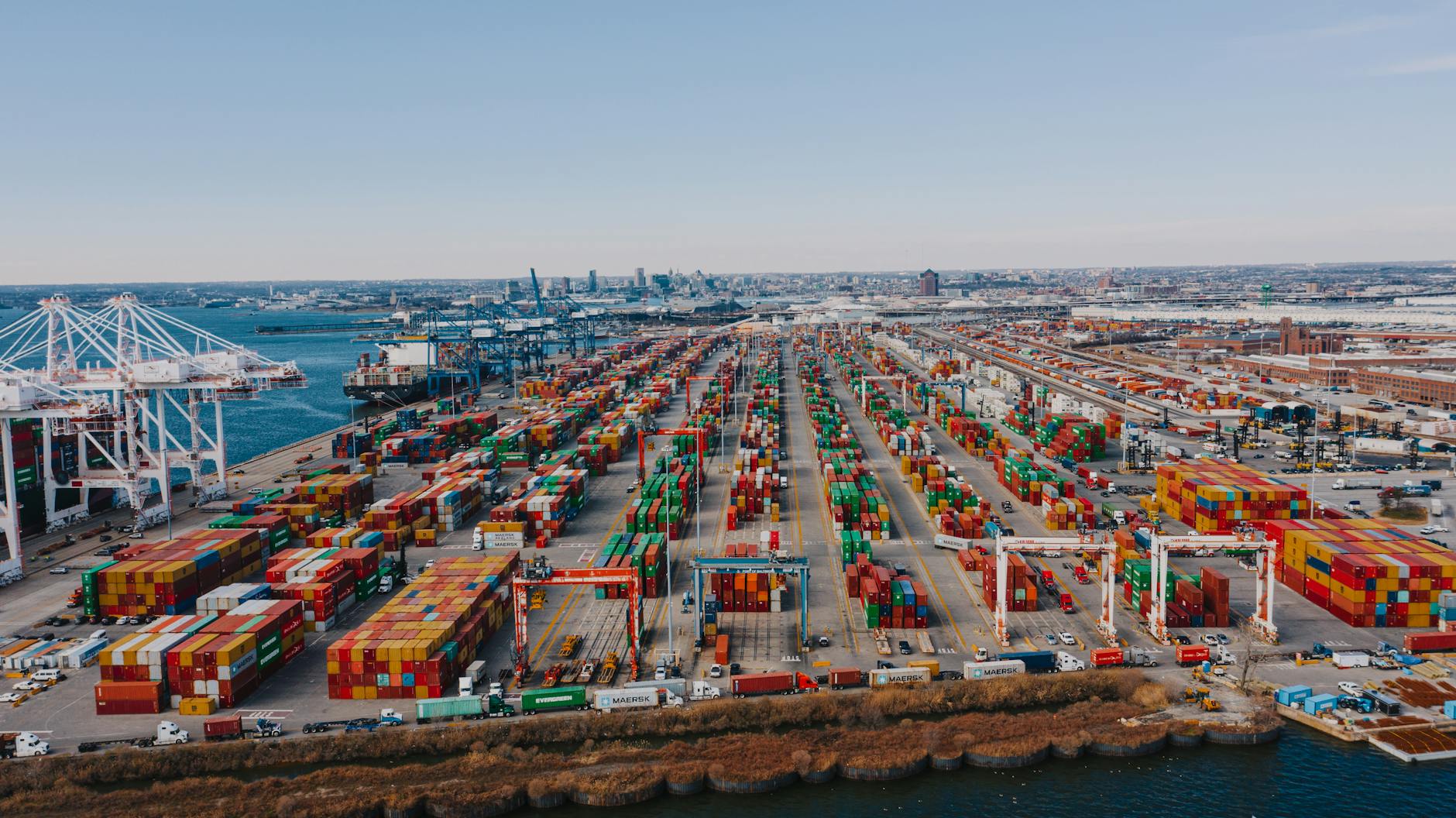
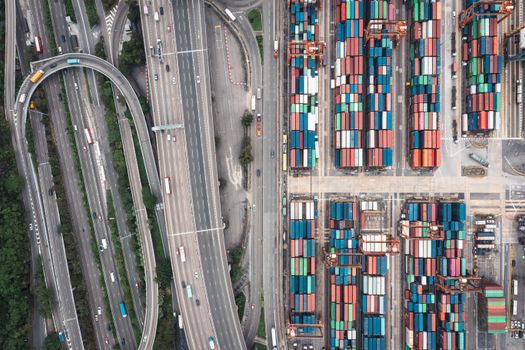 Photo: SimplyArt4794 / Pexels
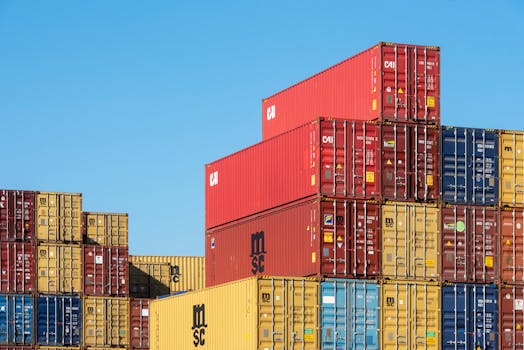 Photo: Jan van der Wolf / Pexels
 Photo: RDNE Stock project / Pexels
 Photo: Jan van der Wolf / Pexels