Mastering Global Trade: Premier Customs Brokerage Logistics Services
customs brokerage logistics services

Mastering Global Trade: Premier Customs Brokerage Logistics Services

Unlock seamless international trade and mitigate risks with our comprehensive customs brokerage and logistics expertise for US businesses.

Get a Free Consultation

Key Takeaways

  • ✓ Customs brokers are licensed experts in import/export regulations.
  • ✓ Logistics services include warehousing, transportation, and distribution.
  • ✓ Proper customs brokerage prevents fines and delays.
  • ✓ Integrated services streamline the entire supply chain.

How It Works

1
Initial Consultation & Needs Assessment

We begin by understanding your specific import/export requirements, product types, and target markets. This allows us to tailor a strategy that aligns with your business goals and regulatory obligations.

2
Documentation & Compliance Management

Our experts meticulously prepare and submit all necessary customs declarations, permits, and certifications. We ensure full compliance with U.S. Customs and Border Protection (CBP) regulations and other agency requirements.

3
Logistics Planning & Execution

Beyond customs, we orchestrate the physical movement of your goods, selecting optimal transportation modes, routes, and warehousing solutions. This integrated approach ensures efficient and cost-effective delivery.

4
Ongoing Support & Optimization

We provide continuous tracking, communication, and post-clearance support, including duty drawback and compliance audits. Our goal is to continuously optimize your supply chain for improved performance and cost efficiency.

The Indispensable Role of Customs Brokerage in Global Supply Chains
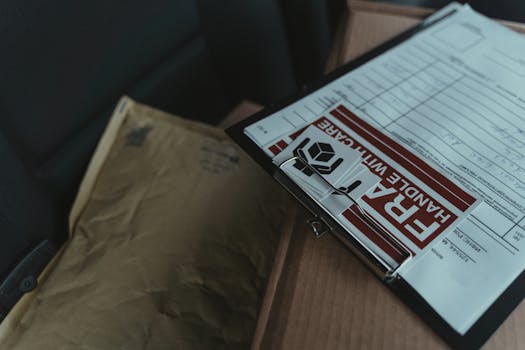
A detailed view of postal packages and delivery paperwork inside a van, emphasizing logistics. Photo: Tima Miroshnichenko / Pexels
In today's interconnected global economy, businesses in the US are increasingly engaging in international trade, making the efficient movement of goods across borders more critical than ever. However, this cross-border movement is fraught with complexities, from intricate regulatory frameworks to constantly evolving trade policies. This is precisely where customs brokerage logistics services become not just beneficial, but absolutely indispensable. A customs broker acts as a vital intermediary between importers/exporters and government agencies, primarily U.S. Customs and Border Protection (CBP). Their core function is to facilitate the seamless entry and exit of goods, ensuring that all legal and regulatory requirements are met. This includes classifying goods under the Harmonized Tariff Schedule (HTS), calculating duties and taxes, preparing and submitting necessary documentation, and navigating a labyrinth of trade agreements and import quotas. Without expert customs brokerage, businesses face significant risks: costly delays at ports, hefty fines for non-compliance, seizure of goods, and even reputational damage. The sheer volume and complexity of documentation required for international shipments can be overwhelming for even experienced businesses. From commercial invoices and packing lists to bills of lading, certificates of origin, and various permits from agencies like the FDA, USDA, or EPA, each document must be accurate and submitted on time. A slight error can trigger a cascade of problems. Moreover, customs brokers possess an in-depth understanding of valuation methods, preferential trade programs like NAFTA (now USMCA), and special duty regimes, which can lead to substantial cost savings for their clients. They stay abreast of changes in trade legislation, ensuring that businesses remain compliant amidst a dynamic regulatory landscape. Beyond mere compliance, the integration of customs brokerage into comprehensive logistics services elevates its value proposition. It means that the entire journey of a product, from its origin point to its final destination, is managed by a single, cohesive entity. This holistic approach ensures better coordination, reduced transit times, and enhanced visibility across the supply chain. Instead of dealing with separate entities for customs clearance, transportation, and warehousing, businesses can leverage an integrated provider to streamline operations, minimize potential bottlenecks, and optimize overall efficiency. This synergy between customs expertise and logistical execution is what truly defines premium customs brokerage logistics services, transforming a potential headache into a strategic competitive advantage. Understanding logistics as a whole is key to appreciating this integrated approach.

Navigating the Regulatory Labyrinth: Compliance and Risk Mitigation

A courier in blue hands packages to a woman signing documents in front of a delivery van. Photo: Gustavo Fring / Pexels
The regulatory environment surrounding international trade in the US is a multifaceted and ever-changing landscape. For businesses, keeping pace with these changes and ensuring continuous compliance is a monumental task. This is where the specialized knowledge offered by customs brokerage logistics services proves invaluable. Compliance is not just about avoiding penalties; it's about maintaining a legitimate and trustworthy supply chain that can withstand scrutiny from various government agencies. U.S. Customs and Border Protection (CBP) enforces a vast array of laws for over 40 other government agencies, including the Food and Drug Administration (FDA), the Environmental Protection Agency (EPA), and the Department of Agriculture (USDA). Each agency has its own specific requirements for imported goods, which can range from labeling standards and health certifications to chemical restrictions and plant pest regulations. A customs broker's expertise lies in understanding these disparate requirements and ensuring that all necessary permits, licenses, and declarations are in place before goods even arrive at a US port of entry. Incorrect classification of goods, for instance, can lead to incorrect duty payments, triggering audits, fines, and retrospective duty demands. Similarly, misrepresenting the country of origin or failing to declare restricted items can result in severe penalties, including seizure of goods and criminal charges. Beyond preventing errors, customs brokers are instrumental in proactive risk mitigation. They can advise on potential trade barriers, geopolitical risks, and changes in trade policy that might impact a business's supply chain. For example, they monitor Section 301 tariffs, anti-dumping and countervailing duties, and other trade remedies that can significantly alter the cost and viability of importing certain products. By leveraging their expertise, businesses can proactively adjust their sourcing strategies, explore alternative markets, or apply for exclusions where applicable. Furthermore, customs brokerage services often include post-entry audits and duty drawback programs. A post-entry audit can identify areas where duties might have been overpaid, allowing businesses to reclaim funds. Duty drawback, a complex process, allows for the refund of duties paid on imported goods that are subsequently exported or destroyed. These services, often overlooked, can translate into substantial financial benefits and further reinforce compliance practices. In essence, a premium customs brokerage service acts as a shield, protecting businesses from the financial and operational fallout of non-compliance, while simultaneously serving as a strategic advisor, helping them navigate the complexities of global trade with confidence and clarity. This proactive approach to compliance and risk management is a cornerstone of effective international business operations.

Integrated Logistics: Beyond Customs Clearance to End-to-End Supply Chain Efficiency
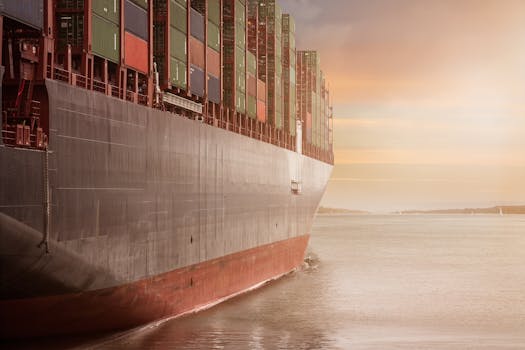
A colossal cargo ship loaded with containers navigates through calm waters against a vibrant sunset sky. Photo: Pixabay / Pexels
While customs clearance is a critical component, premium customs brokerage logistics services extend far beyond simply getting goods through customs. They encompass a holistic, integrated approach to the entire supply chain, offering end-to-end solutions that optimize efficiency, reduce costs, and enhance visibility from the point of origin to the final delivery. This integration means that the customs broker is not just a gatekeeper but an active participant in the broader logistics network. Once goods are cleared through customs, the logistical journey truly begins. This includes coordinating various modes of transportation – ocean freight, air freight, rail, and truck – to ensure timely and cost-effective movement. An integrated provider will strategically select carriers, negotiate rates, and manage bookings, ensuring that goods are transported via the most appropriate and efficient routes. This often involves optimizing for factors such as speed, cost, and environmental impact. Warehousing and distribution are another vital aspect of integrated logistics. After customs clearance, goods may need to be stored, sorted, re-packaged, or prepared for final delivery. Integrated services often include access to strategically located warehouses, offering inventory management, fulfillment services, and cross-docking capabilities. This eliminates the need for businesses to manage multiple vendors for different parts of their supply chain, reducing administrative burden and potential points of failure. The power of integration also lies in enhanced communication and data flow. With a single point of contact managing both customs and logistics, businesses gain greater transparency and real-time insights into the status and location of their shipments. Advanced tracking systems and digital platforms provide visibility into every stage of the journey, allowing for proactive problem-solving and better inventory planning. This level of visibility is crucial for managing customer expectations and responding swiftly to unexpected disruptions. Furthermore, integrated customs brokerage logistics services often include value-added services such as cargo insurance, trade consulting, and supply chain design. Cargo insurance protects against loss or damage during transit, mitigating financial risks. Trade consulting helps businesses identify opportunities for optimization, such as leveraging free trade agreements or re-evaluating sourcing strategies. Supply chain design services help businesses build resilient and efficient networks from the ground up, considering everything from manufacturing locations to final delivery points. By consolidating these services under one umbrella, businesses can achieve a truly streamlined operation, reducing lead times, minimizing inventory holding costs, and ultimately enhancing customer satisfaction. This comprehensive approach is what sets premium customs brokerage logistics services apart, transforming complex international trade into a manageable and strategic advantage. For more on optimizing your entire workflow, explore how integrated logistics solutions can benefit your business.

Common Pitfalls in Customs Brokerage and How to Avoid Them

A detailed view of postal packages and delivery paperwork inside a van, emphasizing logistics. Photo: Tima Miroshnichenko / Pexels
Even with experienced partners, navigating customs can present challenges. Being aware of common pitfalls is the first step in avoiding them and ensuring smooth international trade operations. **1. Incorrect Harmonized Tariff Schedule (HTS) Classification:** This is one of the most frequent and costly errors. Misclassifying a product can lead to incorrect duty payments (under or over), fines, and delays. It can also trigger audits. **Tip:** Work closely with your customs broker to provide detailed product descriptions, technical specifications, and intended use. Don't assume a product's classification is static; it can change with new regulations or product modifications. **2. Incomplete or Inaccurate Documentation:** Missing or incorrect details on commercial invoices, packing lists, bills of lading, or certificates of origin can halt a shipment at the border. Even a simple typo can cause issues. **Tip:** Implement a rigorous document review process. Utilize digital platforms that allow for easy sharing and validation of documents with your broker. Ensure all parties involved in the shipment (supplier, carrier, consignee) are aligned on documentation requirements. **3. Neglecting Partner Government Agency (PGA) Requirements:** Many goods require permits or certifications from agencies other than CBP, such as the FDA for food/medical devices or the USDA for agricultural products. Failure to comply can lead to shipment refusal or destruction. **Tip:** Clearly communicate your product's nature to your broker. They can identify relevant PGAs and guide you through specific requirements, often pre-filing necessary information. **4. Improper Valuation of Goods:** The declared value of imported goods directly impacts duties owed. Incorrect valuation, whether intentional or accidental, can lead to severe penalties. **Tip:** Understand the various valuation methods (e.g., transaction value) and provide your broker with accurate purchase prices, freight costs, and any other dutiable charges. **5. Lack of Communication and Transparency:** Holding back information or failing to communicate changes can jeopardize a shipment. **Tip:** Maintain open and continuous communication with your customs brokerage logistics services provider. Share updates on product changes, new suppliers, or expected delays promptly. Transparency builds trust and facilitates proactive problem-solving. By proactively addressing these common pitfalls, businesses can significantly reduce risks, avoid costly delays, and ensure a more efficient and compliant international trade process.

Comparison

FeatureIntegrated Customs Brokerage Logistics ServicesSeparate Customs Broker & Freight ForwarderIn-House Customs & Logistics Team
Overall Efficiency & CoordinationSeamless, single point of contact, optimized workflowPotential communication gaps, more administrative overheadHigh coordination if well-staffed, but resource-intensive
Compliance ExpertiseDedicated experts, up-to-date with regulationsBroker handles customs, forwarder handles transport; potential for disconnectRequires constant training and specialized staff
Cost-EffectivenessOften better rates through volume, reduced administrative costsMay incur higher overall costs, less leverage on ratesHigh fixed costs, less flexibility, potential for missed savings
Risk MitigationProactive identification and management of trade risksBroker mitigates customs risk, forwarder mitigates transport risk (separate)Relies heavily on internal knowledge and resources
Scalability & Flexibility✓ Easily scale up/down operations, access to global networks✗ Scaling can be complex with multiple vendors✓ Limited by internal capacity and geographic reach
Technology & VisibilityAdvanced platforms, real-time tracking, integrated dataMultiple systems, fragmented data, less overall visibilityRequires significant investment in IT infrastructure

What Readers Say

"Our experience with their customs brokerage logistics services has been outstanding. They seamlessly handled our complex machinery imports from Germany, ensuring every document was perfect and preventing any delays. Truly a game-changer for our supply chain."

Sarah J. · Dallas, TX

"We've tried several providers, but this company stands out. Their knowledge of US customs regulations for electronics is unparalleled. They saved us from potential fines by catching a classification error our previous broker missed."

Mark D. · Miami, FL

"Thanks to their integrated customs and logistics solution, we reduced our average transit time by 15% and cut warehousing costs. The end-to-end visibility they provide has been instrumental in optimizing our inventory management."

Emily R. · Los Angeles, CA

"While most of our shipments go smoothly, there was one minor hiccup with a specific permit for a new product. However, their team was incredibly responsive and resolved it quickly. Their overall expertise and proactive communication are highly valued."

David L. · New York, NY

"As a small e-commerce business, navigating international shipping was a nightmare. Their customs brokerage logistics services simplified everything, from duty calculation to final mile delivery. It's allowed us to expand our global reach with confidence."

Jessica M. · Chicago, IL

Frequently Asked Questions

What exactly do customs brokerage logistics services entail?

Customs brokerage logistics services encompass the entire process of moving goods across international borders, from origin to final destination. This includes customs clearance (document preparation, duty calculation, compliance), freight forwarding (transportation, carrier selection), warehousing, distribution, and often value-added services like cargo insurance and trade consulting. The goal is to provide a single, integrated solution for global trade.

Is it really necessary to use a customs broker for my international shipments?

While it's technically possible for businesses to handle customs clearance themselves, it's highly recommended to use a licensed customs broker, especially for complex or frequent international shipments. The intricacies of US customs law, tariff classifications, and various partner government agency requirements make self-clearance risky and prone to costly errors, delays, and fines. A broker's expertise ensures compliance and efficiency.

How do I choose the right customs brokerage logistics services provider?

When selecting a provider, look for experience in your specific industry and product type, strong communication practices, a proven track record of compliance, and robust technological capabilities for tracking and reporting. It's also beneficial if they offer integrated logistics services beyond just customs clearance, providing a more comprehensive and streamlined solution for your supply chain needs.

How much do customs brokerage logistics services cost, and how can they save me money?

Costs vary widely depending on the volume, complexity, and type of services required. Fees can be per shipment, based on a percentage of cargo value, or a fixed monthly retainer for ongoing services. While there's an upfront cost, a good provider can save you money by preventing costly delays, avoiding fines, optimizing duty payments through correct classification and trade agreement utilization, and streamlining your supply chain to reduce overall logistics expenses.

What's the difference between a customs broker and a freight forwarder?

A customs broker specializes in clearing goods through customs, ensuring compliance with import/export regulations, tariffs, and duties. A freight forwarder focuses on the physical movement of goods, arranging transportation via air, ocean, road, or rail. Integrated customs brokerage logistics services combine both roles, offering a unified approach to managing both the regulatory and physical aspects of international shipping under one roof.

Who benefits most from integrated customs brokerage logistics services?

Businesses that frequently import or export goods, deal with complex product classifications, operate in highly regulated industries (e.g., food, pharmaceuticals, chemicals), or are looking to optimize their entire international supply chain benefit most. Companies seeking to reduce administrative burden, improve compliance, and gain better visibility into their global shipments also find these services invaluable.

How do these services ensure the security of my shipments?

Security is addressed through multiple layers. Customs brokers ensure all necessary declarations are accurate, reducing the risk of cargo being flagged or delayed due to non-compliance. Integrated logistics providers often partner with reputable carriers and warehouses that adhere to strict security protocols. They also advise on cargo insurance options and can implement security measures like tracking and sealing to protect goods throughout transit.

What are the future trends impacting customs brokerage logistics services?

Key trends include increased digitalization and automation (e.g., AI for classification, blockchain for transparency), growing emphasis on sustainability and green logistics, evolving geopolitical trade policies requiring greater adaptability, and a continued push for end-to-end supply chain visibility through advanced analytics. Providers are constantly innovating to meet these challenges and offer more resilient and efficient solutions.

Ready to transform your international trade operations? Partner with us for unparalleled customs brokerage logistics services that guarantee compliance, efficiency, and peace of mind. Contact us today for a personalized consultation and discover how we can streamline your global supply chain.

Topics: customs brokerage logistics servicesinternational trade complianceimport export solutionssupply chain optimizationcustoms clearance USA
Leo List

IE Escorts NO Escorts US Escorts NZ Escorts AU Escorts
Brampton weed
Adultwork EstrelaBet Vai de Bet R7 Bet Betão Galera Bet Rainbet Bet9ja Shop SportyBet BetKing Sisal Loto Foot Hollywoodbets YesPlay Odibets RushBet Jugabet BetWarrior BetCity MSport betPawa Fortebet