Unpacking the Cost of Logistics Services USA
cost of logistics services usa

Unpacking the Cost of Logistics Services USA

Navigate the complexities of logistics expenses in the US and discover how to optimize your supply chain for maximum efficiency.

Get Your Free Quote

Key Takeaways

  • ✓ Transportation accounts for the largest portion of logistics costs, often exceeding 60%.
  • ✓ Fuel prices, labor shortages, and regulatory changes significantly impact logistics expenses.
  • ✓ Effective inventory management can reduce warehousing costs by 10-30%.
  • ✓ Technology adoption (TMS, WMS) is crucial for optimizing logistics and reducing long-term costs.

How It Works

1
Assess Your Current Needs

Evaluate your current shipping volume, inventory levels, and distribution network. Understand your specific requirements for speed, reliability, and special handling.

2
Identify Key Cost Drivers

Break down your logistics into its core components: transportation, warehousing, inventory, and administration. Pinpoint areas where costs are highest or least efficient.

3
Explore Service Provider Options

Research and compare various logistics providers, from LTL carriers to 3PLs, considering their pricing structures, service offerings, and technological capabilities.

4
Implement Optimization Strategies

Utilize data analytics, route optimization software, and lean inventory practices. Continuously monitor performance and adjust strategies to drive down costs.

Understanding the Core Components of US Logistics Costs

Courier pushing a trolley with boxes near a van at a warehouse, showcasing delivery services. Photo: Tima Miroshnichenko / Pexels
The cost of logistics services in the USA is a multifaceted expense, not a single line item. It’s a dynamic sum influenced by numerous interconnected factors that fluctuate with market conditions, technological advancements, and regulatory changes. To truly grasp and manage these costs, businesses must break them down into their fundamental components: transportation, warehousing, inventory carrying, and administrative expenses. Each of these areas presents unique challenges and opportunities for optimization. Transportation, for instance, typically represents the lion's share of logistics costs, often accounting for 50-70% of the total. This includes everything from full truckload (FTL) and less-than-truckload (LTL) shipping to rail, air, and ocean freight. Factors like fuel prices, driver wages, vehicle maintenance, tolls, and insurance premiums directly impact these rates. The choice of mode, distance, urgency, and freight density all play critical roles in determining the final transportation bill. Furthermore, the fragmented nature of the US transportation network, with its vast geographical spread and diverse infrastructure, adds layers of complexity. Businesses must constantly evaluate different carriers, negotiate contracts, and leverage technology like Transportation Management Systems (TMS) to find the most cost-effective routes and modes. For deeper insights into optimizing your shipping processes, explore our guide on efficient freight management. Warehousing costs form another significant segment. These expenses encompass rent or mortgage, utilities, labor for receiving, storing, picking, and packing, equipment maintenance, security, and property taxes. The location, size, and level of automation within a warehouse significantly influence these costs. Companies must balance the need for strategic geographical placement to minimize transport times with the cost implications of real estate in desirable areas. Optimizing warehouse layouts, implementing efficient material handling systems, and utilizing Warehouse Management Systems (WMS) are crucial for reducing operational expenses and improving throughput. Inventory carrying costs, while less obvious, can be substantial. These include the cost of capital tied up in inventory, insurance, obsolescence, damage, and storage. Holding too much inventory can lead to significant financial drain, while holding too little can result in stockouts and lost sales. Striking the right balance requires sophisticated forecasting and inventory management techniques. Lastly, administrative costs cover the overhead associated with managing the logistics function itself – personnel, IT systems, compliance, and planning. These foundational elements collectively dictate the cost of logistics services in the USA, and a holistic approach is necessary for effective cost control.

Key Factors Driving Logistics Cost Fluctuations in the USA
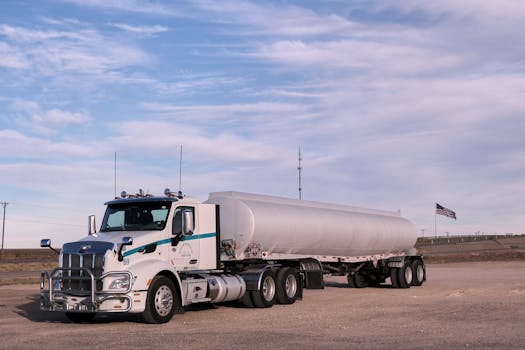
White fuel transport truck parked in a Texas landscape under clear skies, showcasing American flag in the distance. Photo: Alexander / Pexels
The landscape of logistics costs in the USA is far from static; it's a dynamic environment shaped by a confluence of macroeconomic, industry-specific, and geopolitical factors. Businesses operating within this space must constantly monitor these influences to anticipate changes and adapt their strategies accordingly. One of the most prominent drivers is fuel prices. As a primary input for all modes of transportation, fluctuations in crude oil prices directly translate into higher or lower freight rates. Geopolitical events, supply and demand dynamics, and even natural disasters can cause rapid shifts in fuel costs, making it a constant variable in logistics budgeting. Labor shortages, particularly for truck drivers and warehouse personnel, present another significant challenge. The demand for skilled logistics workers often outstrips supply, leading to increased wages, benefits, and recruitment costs. This upward pressure on labor expenses is a major contributor to rising operational costs for carriers and warehouse operators alike. Regulatory changes also play a crucial role. New environmental regulations, stricter hours-of-service rules for drivers, or changes in customs procedures can impose additional compliance costs, require investments in new equipment, or alter operational efficiencies. For example, evolving emissions standards for commercial vehicles necessitate fleet upgrades, which are then passed on to consumers through service fees. Infrastructure limitations, such as congested roadways, aging bridges, and limited port capacities, create bottlenecks that increase transit times and fuel consumption, thereby escalating costs. While efforts are continuously made to improve infrastructure, the pace of development often lags behind the growing demand for freight movement. Technological advancements, while offering long-term cost-saving potential, often require significant upfront investment. Implementing advanced TMS, WMS, or automation in warehouses can be costly initially, but promises greater efficiency and reduced operational expenses over time. However, the adoption rate and integration challenges can vary widely among companies. Lastly, economic cycles, including inflation, interest rates, and consumer demand, directly impact logistics costs. During periods of high demand, capacity becomes tighter, leading to higher rates. Inflation increases the cost of materials, labor, and services across the entire supply chain. Understanding these intricate drivers is essential for any business aiming to manage the cost of logistics services in the USA effectively.

Strategies for Optimizing Logistics Spend and Enhancing Efficiency

Two men maneuver a trolley in a large warehouse filled with boxes and shelves. Photo: Alexander Isreb / Pexels
Reducing the cost of logistics services in the USA isn't just about cutting corners; it's about smart, strategic optimization that enhances overall supply chain efficiency. One of the most impactful strategies is leveraging technology. Implementing advanced Transportation Management Systems (TMS) allows businesses to automate freight booking, optimize routes, consolidate shipments, and gain real-time visibility into their transportation network. A well-utilized TMS can identify the most cost-effective carriers, analyze performance metrics, and even manage freight audits, leading to significant savings. Similarly, Warehouse Management Systems (WMS) optimize inventory placement, streamline picking processes, reduce errors, and improve space utilization, directly impacting warehousing labor and operational costs. These systems also provide invaluable data for continuous improvement. Another critical strategy is strategic partnership and negotiation. Building strong relationships with carriers, 3PLs (Third-Party Logistics providers), and other service providers can lead to better rates, improved service levels, and greater flexibility. Don't just accept the first quote; actively solicit bids from multiple providers and negotiate based on your volume, lanes, and specific service requirements. Consolidating freight with fewer, preferred carriers can also unlock volume discounts. For businesses with complex logistics needs, partnering with a 3PL can offer economies of scale, access to specialized expertise, and advanced technology without the upfront capital investment. They can help optimize your entire supply chain, from warehousing to final mile delivery. For more on the benefits of outsourcing, see our article on choosing the right logistics partner. Inventory optimization is paramount. Employing just-in-time (JIT) inventory practices where appropriate, using demand forecasting tools, and implementing ABC analysis to prioritize stock can significantly reduce carrying costs and minimize the risk of obsolescence. This involves a delicate balance to avoid stockouts, requiring robust data analytics and close collaboration between sales, production, and logistics teams. Furthermore, continuous process improvement through lean methodologies can identify and eliminate waste across all logistics functions. This includes optimizing loading and unloading procedures, redesigning warehouse workflows, and standardizing documentation. Regular audits of logistics operations can uncover inefficiencies and areas for cost reduction that might otherwise go unnoticed. By embracing these strategies, businesses can not only reduce the cost of logistics services in the USA but also build a more resilient and responsive supply chain.

Common Pitfalls and Best Practices for Managing Logistics Costs
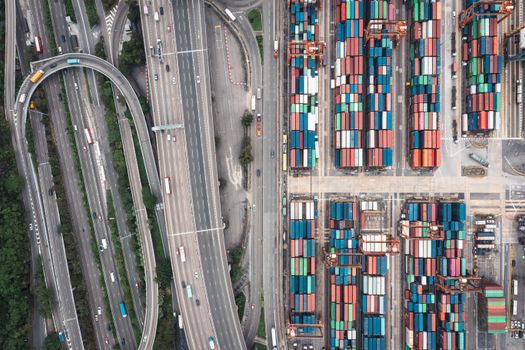
Aerial shot of Hong Kong's shipping containers and highway interchange showcasing urban logistics. Photo: SimplyArt4794 / Pexels
Navigating the complexities of logistics costs in the USA requires not just proactive strategies but also an awareness of common pitfalls that can silently erode profitability. One major mistake is a lack of visibility into the entire supply chain. Many companies only track direct transportation costs, neglecting hidden expenses like detention fees, accessorial charges, or the true cost of inventory holding. Without a comprehensive view, it's impossible to identify true cost drivers and areas for improvement. Another pitfall is failing to regularly audit freight bills and carrier invoices. Errors in billing are surprisingly common, and a robust audit process can recover significant amounts over time. Underestimating the impact of poor planning and forecasting is another costly error. Inaccurate demand forecasts lead to either excessive inventory (high carrying costs) or stockouts (lost sales and expedited shipping fees). Similarly, inefficient route planning results in wasted fuel, increased driver hours, and delayed deliveries. Relying solely on a single carrier or mode of transport, while seemingly simpler, can limit flexibility and bargaining power, especially during peak seasons or market disruptions. Diversifying your carrier base and exploring intermodal options can provide resilience and cost advantages. Best practices, conversely, focus on data-driven decisions and continuous improvement. **Best Practices:** * **Invest in Data Analytics:** Utilize supply chain data to identify trends, predict demand, and pinpoint cost inefficiencies. Data-driven insights are invaluable for strategic decision-making. * **Implement a Robust TMS/WMS:** These systems are no longer luxuries but necessities for optimizing transport and warehousing operations, providing visibility and automation. * **Regularly Review Carrier Contracts:** Don't let contracts auto-renew without evaluation. Periodically re-bid services and negotiate terms to ensure competitive pricing and service levels. * **Optimize Packaging and Loading:** Efficient packaging reduces freight dimensions and weight, while optimizing container/trailer loading maximizes space utilization, leading to lower per-unit shipping costs. * **Focus on Sustainability:** Environmentally friendly practices, such as optimizing routes to reduce emissions or choosing greener modes of transport, can also lead to long-term cost savings through fuel efficiency and regulatory compliance. * **Cross-Functional Collaboration:** Ensure that logistics, sales, production, and procurement teams work together. Siloed operations often lead to suboptimal decisions that increase overall logistics costs. By avoiding these common mistakes and embracing these best practices, businesses can gain better control over the cost of logistics services in the USA, transforming potential liabilities into strategic advantages.

Comparison

Feature3PL PartnershipIn-House LogisticsBrokerage ModelCarrier Direct
Initial InvestmentLowHighLowLow
ScalabilityHighMediumHighMedium
Expertise AccessHighMediumHighMedium
Control over OperationsMediumHighMediumHigh
Technology Integration
Risk MitigationHighMediumMediumLow
Cost Savings PotentialHighMediumMediumMedium

What Readers Say

"Before, our cost of logistics services in the USA was a black hole. This article helped us break down our expenses and identify where we were overspending. We've already seen a 10% reduction in our freight costs."

Sarah J. · Dallas, TX

"Incredibly thorough. The section on key cost drivers was particularly insightful, helping us understand why our rates fluctuate so much. We're now better equipped to negotiate with carriers."

Mark D. · Chicago, IL

"The strategies for optimizing logistics spend were actionable and practical. We implemented several suggestions, like freight consolidation, and it directly led to a measurable decrease in our monthly logistics bill."

Emily R. · Los Angeles, CA

"A very comprehensive guide to the cost of logistics services in the USA. While some parts were a bit technical, the overall value was immense. It's a must-read for any business struggling with supply chain expenses."

David W. · Atlanta, GA

"As a small e-commerce business, understanding our logistics costs is vital. This article simplified complex concepts and provided clear steps to take. We're now considering a 3PL thanks to the insights shared."

Jessica L. · Miami, FL

Frequently Asked Questions

What is the primary factor influencing the cost of logistics services in the USA?

Transportation costs are typically the largest component, often accounting for 50-70% of total logistics expenses. Factors like fuel prices, driver wages, distance, mode of transport, and freight characteristics (weight, dimensions, special handling) are major determinants.

Are logistics costs in the USA generally increasing or decreasing?

Generally, logistics costs in the USA have been on an upward trend due to factors such as fuel price volatility, labor shortages (especially drivers), increased demand, inflation, and regulatory compliance. However, technological advancements and optimization strategies can help mitigate these increases for individual businesses.

How can I get an accurate quote for logistics services in the USA?

To get an accurate quote, you need to provide detailed information including origin and destination, freight dimensions and weight, commodity type, required transit time, any special handling needs (e.g., hazmat, temperature control), and desired service level (e.g., LTL, FTL, expedited). Contacting multiple carriers or a reputable 3PL is recommended.

What's the difference in cost between FTL and LTL shipping in the USA?

Full Truckload (FTL) shipping generally offers a lower cost per pound for large shipments that fill an entire truck, as you pay for the dedicated truck and direct route. Less-than-Truckload (LTL) is more cost-effective for smaller shipments that don't fill a truck, as you only pay for the space your freight occupies, but it may involve more handling and longer transit times due to multiple stops.

Is it cheaper to manage logistics in-house or outsource to a 3PL in the USA?

The 'cheaper' option depends on your business's scale, expertise, and resources. Large businesses with high volumes might find in-house more cost-effective due to economies of scale. However, for most small to medium-sized businesses, outsourcing to a 3PL can be cheaper due to their leverage with carriers, access to advanced technology, and specialized expertise, reducing your operational overhead and risk.

Who benefits most from understanding the cost of logistics services USA?

Businesses of all sizes, especially those involved in manufacturing, retail, e-commerce, and distribution, benefit greatly. Supply chain managers, finance departments, and business owners looking to optimize operational expenses and improve profitability will find this understanding crucial for strategic planning and competitive advantage.

What are the risks of choosing the cheapest logistics service provider?

Choosing solely based on the lowest price can lead to several risks, including unreliable service, frequent delays, damaged goods, poor communication, and hidden fees. It can ultimately harm customer satisfaction, brand reputation, and lead to higher overall costs due to inefficiencies and service failures. It's crucial to balance cost with reliability and service quality.

How will automation impact the future cost of logistics services in the USA?

Automation, including robotics in warehouses, autonomous vehicles, and AI-driven optimization, is expected to significantly reduce labor costs and improve efficiency, potentially lowering the long-term cost of logistics services. While requiring substantial upfront investment, it promises greater speed, accuracy, and resilience, making supply chains more cost-effective and competitive in the future.

Mastering the cost of logistics services in the USA is a continuous journey of understanding, optimization, and strategic partnership. By applying the insights and strategies shared, your business can navigate the complexities, reduce expenses, and build a more efficient, resilient supply chain. Take control of your logistics spend today and unlock new levels of profitability and customer satisfaction.

Topics: cost of logistics services usasupply chain costsfreight shipping rateswarehouse expenseslogistics optimization
Leo List

IE Escorts NO Escorts US Escorts NZ Escorts AU Escorts
Brampton weed
Adultwork EstrelaBet Vai de Bet R7 Bet Betão Galera Bet Rainbet Bet9ja Shop SportyBet BetKing Sisal Loto Foot Hollywoodbets YesPlay Odibets RushBet Jugabet BetWarrior BetCity MSport betPawa Fortebet