Top Cold Chain Logistics Companies USA: Your Guide
cold chain logistics companies usa

Top Cold Chain Logistics Companies USA: Your Guide

Master temperature-sensitive supply chains with expert insights into the leading cold chain logistics providers in the USA.

Find Your Cold Chain Partner

Key Takeaways

  • ✓ The US cold chain market is projected to reach over $100 billion by 2027.
  • ✓ Pharmaceuticals and fresh produce are the primary drivers of cold chain demand.
  • ✓ Regulatory compliance (FDA, USDA) is paramount for all cold chain operations.
  • ✓ Technological advancements like IoT and AI are revolutionizing cold chain visibility and efficiency.

How It Works

1
Assessment & Planning

Specialists evaluate product temperature requirements, transit times, and regulatory needs. A customized logistics plan is then developed to ensure optimal conditions.

2
Temperature-Controlled Transport

Goods are loaded into specialized vehicles (refrigerated trucks, railcars, air cargo) equipped with advanced temperature monitoring. Real-time tracking systems ensure continuous environmental control.

3
Warehouse & Storage Solutions

Products are temporarily stored in temperature-controlled warehouses or distribution centers. These facilities maintain specific temperature ranges, from chilled to cryogenic, with strict inventory management.

4
Last-Mile Delivery & Monitoring

Final delivery is executed using smaller refrigerated vehicles, often with specialized handling protocols. Continuous monitoring and data logging provide an unbroken chain of custody and temperature records.

Understanding the Vital Role of Cold Chain Logistics Companies USA
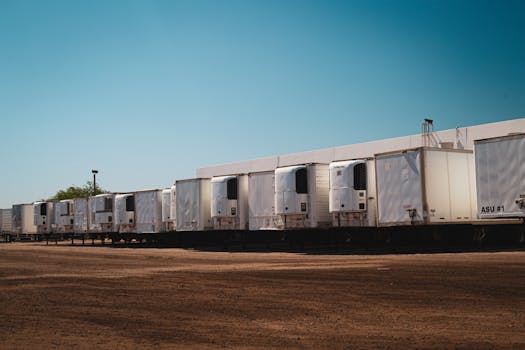
Refrigerated trucks parked in an industrial lot under a clear blue sky on a sunny day. Photo: Tom Jackson / Pexels
In an increasingly globalized and health-conscious world, the integrity of temperature-sensitive products is non-negotiable. From life-saving pharmaceuticals and vaccines to perishable fresh produce and delicate biologics, maintaining a precise temperature range throughout the supply chain is paramount. This is where cold chain logistics companies USA step in, offering specialized services that ensure product safety, efficacy, and compliance from origin to destination. These companies are not merely transportation providers; they are sophisticated integrators of technology, infrastructure, and expertise, dedicated to preserving the quality of goods that would otherwise degrade or spoil if exposed to unsuitable temperatures. The United States, with its vast geographical expanse and diverse climatic conditions, presents unique challenges for temperature-controlled shipping. A product traveling from a manufacturing facility in California to a distribution center in New York, or from a port in Florida to a hospital in Alaska, must endure varying external temperatures while maintaining its internal integrity. Cold chain logistics companies in the USA leverage a complex network of refrigerated warehouses, specialized transportation fleets (including reefer trucks, refrigerated railcars, and temperature-controlled air freight containers), and advanced monitoring technologies to overcome these hurdles. Their operations are a delicate dance between speed, efficiency, and unwavering temperature control, often operating 24/7 to meet stringent delivery schedules and product requirements. The demand for these services has surged dramatically in recent years, driven by several key factors. The pharmaceutical industry, with its continuous innovation in biologics and personalized medicine, requires increasingly precise temperature management. Similarly, the growing consumer demand for fresh, healthy, and organic foods, coupled with expanded global trade, places immense pressure on the fresh food supply chain. Furthermore, the advent of e-commerce for groceries and specialized medical supplies has introduced new complexities, requiring cold chain solutions that can handle smaller, more frequent shipments directly to consumers or specialized facilities. Understanding the intricate ecosystem of these providers is crucial for any business dealing with temperature-sensitive commodities, as the right partner can mean the difference between product success and catastrophic loss. Selecting the optimal cold chain provider involves evaluating their technological capabilities, geographic reach, regulatory compliance, and proven track record in handling specific product types. This foundational understanding is the first step toward securing a robust and reliable cold chain for your valuable assets.

Key Technologies and Infrastructure Driving Cold Chain Excellence
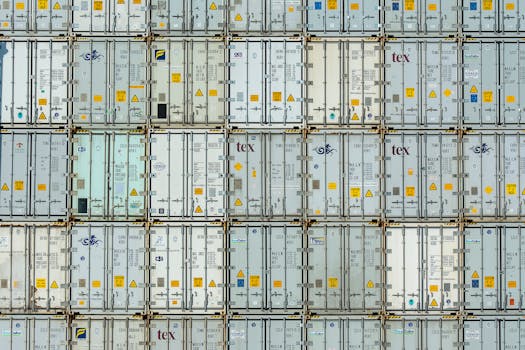
A patterned array of industrial shipping containers stacked in a storage terminal. Photo: Jan van der Wolf / Pexels
The efficacy of cold chain logistics companies in the USA is intrinsically linked to their adoption and integration of cutting-edge technologies and robust infrastructure. The days of simply guessing if a product remained cold enough are long gone. Today's leading providers employ a suite of sophisticated tools to ensure unparalleled visibility, control, and compliance throughout the entire cold chain. At the heart of this technological revolution are advanced monitoring systems. These include real-time temperature sensors, humidity trackers, and GPS devices embedded within packaging, containers, and vehicles. These sensors continuously collect data, transmitting it to centralized platforms where logistics managers can monitor conditions, track shipments, and receive immediate alerts if any deviations from the specified temperature range occur. This proactive approach allows for immediate intervention, mitigating potential product damage before it becomes irreversible. Beyond monitoring, data analytics plays a pivotal role. The vast amounts of data collected from sensors, transport routes, and warehouse conditions are analyzed to identify trends, optimize routes, predict potential issues, and improve overall efficiency. Machine learning algorithms can even forecast demand and suggest optimal inventory levels, reducing waste and enhancing responsiveness. This data-driven approach transforms reactive problem-solving into predictive management, offering clients greater peace of mind and more reliable service. Furthermore, the infrastructure supporting these operations is equally critical. Modern cold storage facilities, often referred to as 'cold warehouses' or 'reefer warehouses,' are purpose-built to maintain specific temperature zones, from standard refrigeration (2-8°C) to deep freeze (-20°C to -30°C) and even cryogenic temperatures (below -150°C) for specialized biological samples. These facilities feature advanced insulation, redundant cooling systems, and strict access controls to ensure product integrity and security. Transportation fleets are another cornerstone. Refrigerated trucks, known as reefers, are equipped with sophisticated refrigeration units capable of maintaining precise temperatures regardless of external conditions. Many modern reefers also include multi-temperature zones, allowing for different products with varying requirements to be transported simultaneously. For longer distances or intermodal transport, refrigerated railcars and specialized air freight containers (active and passive) extend the cold chain's reach, ensuring seamless temperature control across diverse modes of transportation. The integration of these technologies and infrastructure components creates an unbroken 'cold chain' – a series of temperature-controlled links that work in harmony to protect sensitive goods. Without this synergistic approach, the delicate balance required for pharmaceutical efficacy or food safety would be impossible to maintain.

Choosing the Right Cold Chain Partner: Essential Considerations
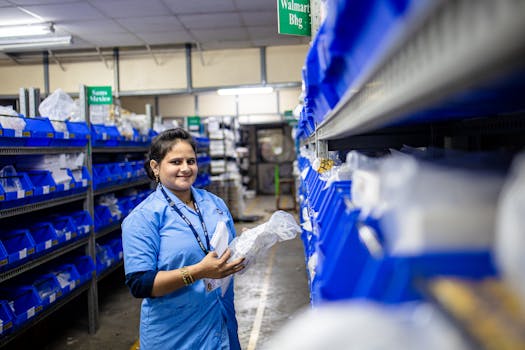
Smiling woman in a warehouse organizing inventory on shelves with blue bins. Photo: EqualStock IN / Pexels
Selecting the appropriate cold chain logistics company in the USA is a critical strategic decision that can significantly impact a business's operational efficiency, product quality, and regulatory compliance. With numerous providers offering a range of services, understanding the key differentiators and vetting potential partners thoroughly is essential. The first and perhaps most important consideration is the provider's expertise in handling your specific product type. Pharmaceuticals, for example, require adherence to Good Distribution Practices (GDP) and often have stricter temperature ranges and validation requirements than, say, frozen food products. Ensure the company has a proven track record and specialized knowledge in your industry, including understanding relevant regulations such as FDA guidelines for drugs or USDA standards for food products. Inquire about their experience with specific temperature ranges, from controlled room temperature (CRT) to ultra-low freezer conditions. Geographic reach and network capabilities are another crucial factor. Does the company have the infrastructure and partnerships to cover all your required shipping lanes, from regional distribution to nationwide deliveries or even international gateways? A robust network of strategically located cold storage facilities and a comprehensive transportation fleet are indicative of a capable partner. Look for evidence of their ability to handle both primary (full truckload, rail) and secondary (less-than-truckload, last-mile) distribution while maintaining temperature integrity. Technological sophistication should also be a top priority. As discussed, real-time monitoring, data logging, and predictive analytics are no longer luxuries but necessities. Ask about their telematics systems, how data is accessed, and their protocols for alerting and responding to temperature excursions. Transparency and traceability are key to demonstrating compliance and ensuring accountability. Regulatory compliance and quality assurance programs are non-negotiable. A reputable cold chain provider will have robust quality management systems (QMS), documented standard operating procedures (SOPs), and a history of successful audits. They should be able to provide validation reports for their equipment and processes. Ask about their risk management strategies, including contingency plans for power outages, equipment failures, or natural disasters. Finally, evaluate their customer service and communication protocols. A reliable partner will offer proactive communication, dedicated account management, and transparent reporting. The ability to quickly resolve issues and provide clear, consistent updates throughout the shipping process is invaluable. By carefully considering these factors, businesses can forge strong partnerships with cold chain logistics companies in the USA that protect their products and support their strategic objectives.

Common Pitfalls and Best Practices in US Cold Chain Logistics

A courier wearing protective equipment writes on a clipboard among packages. Photo: Tima Miroshnichenko / Pexels
Navigating the complexities of cold chain logistics in the USA can be fraught with potential pitfalls, but understanding and addressing these challenges proactively can lead to more resilient and efficient supply chains. One of the most common mistakes is underestimating the importance of thorough temperature mapping and validation. Simply assuming a refrigerated truck or warehouse will maintain the correct temperature without empirical evidence is a recipe for disaster. Best practice dictates regular, documented temperature mapping of all storage areas and transport units to identify hot and cold spots and ensure consistent temperature distribution. Another frequent error is a lack of end-to-end visibility. Without real-time data and monitoring across every segment of the chain, businesses are often unaware of temperature excursions until it's too late, leading to product loss and regulatory non-compliance. Implementing robust IoT-enabled monitoring solutions and integrated data platforms is crucial. Here are some critical best practices and common pitfalls to avoid: * **Pitfall: Inadequate Packaging:** Using standard packaging for temperature-sensitive goods. This often leads to thermal breaches during transfers or unexpected delays. * **Best Practice: Optimized Thermal Packaging:** Invest in validated thermal packaging solutions (insulted containers, gel packs, phase change materials) designed for specific temperature ranges and transit durations. This provides an additional layer of protection. * **Pitfall: Overlooking Last-Mile Challenges:** Focusing solely on long-haul transport and neglecting the unique temperature control needs of local delivery. * **Best Practice: Dedicated Last-Mile Solutions:** Partner with providers offering specialized last-mile refrigerated vehicles and trained personnel for urban and rural deliveries, ensuring temperature integrity right to the recipient's door. * **Pitfall: Poor Data Management & Documentation:** Failing to properly record temperature data, incident reports, or maintenance logs, making audits difficult and hindering continuous improvement. * **Best Practice: Centralized Digital Data & QMS:** Implement a robust Quality Management System (QMS) and digital platforms for automated data logging, secure storage, and easy retrieval of all cold chain documentation for compliance and analysis. * **Pitfall: Lack of Contingency Planning:** Not having backup plans for equipment failure, extreme weather, or unforeseen delays. * **Best Practice: Comprehensive Risk Management:** Develop and regularly test contingency plans, including redundant power systems, alternative routes, emergency cold storage, and clear communication protocols for all stakeholders. * **Pitfall: Inadequate Training:** Personnel handling temperature-sensitive goods lack proper training on cold chain protocols, product specific requirements, and emergency procedures. * **Best Practice: Continuous Staff Training:** Implement ongoing training programs for all staff involved in the cold chain, covering handling procedures, equipment operation, regulatory compliance, and incident response. By diligently adhering to these best practices and being aware of common pitfalls, businesses can significantly enhance the reliability and compliance of their cold chain operations with cold chain logistics companies in the USA, safeguarding product quality and reputation.

Comparison

FeatureIntegrated 3PL Cold ChainSpecialized Pharma Cold ChainFood Distribution Cold Chain
Product FocusDiverse (Pharma, Food, Chemical)Strictly Pharmaceuticals, BiologicsPerishables, Frozen Foods
Regulatory ComplianceFDA, USDA, DOT (General)FDA cGMP, GDP, PDMA, DEAUSDA, FDA (Food Safety), HACCP
Temperature RangesChilled, Frozen, AmbientCRT, Refrigerated, Frozen, Ultra-lowChilled, Frozen
Monitoring & VisibilityReal-time tracking, basic alertsAdvanced IoT, continuous data log, proactive alerts, validationReal-time tracking, temp probes
Network & ReachBroad US coverage, some internationalSpecialized pharma hubs, global networksRegional/National food distribution centers
Value-Added ServicesWarehousing, cross-dockingKitting, labeling, serialization, returnsCase picking, co-packing, inventory rotation
Cost StructureModerate, scalableHigher due to specialization & complianceCompetitive, volume-based
Ideal forBusinesses with varied temp-sensitive goodsPharmaceutical manufacturers, clinical trialsFood producers, grocery chains, restaurants

What Readers Say

"Our biotech startup relies heavily on precise temperature control for our samples. Partnering with one of the leading cold chain logistics companies USA has been a game-changer; their ultra-low freezer capabilities and real-time monitoring give us complete peace of mind."

Sarah J. · Boston, MA

"As a national food distributor, maintaining freshness is paramount. The cold chain logistics company we chose in the USA consistently delivers our produce and dairy products at optimal temperatures, significantly reducing spoilage and improving customer satisfaction."

Mark D. · Dallas, TX

"For our clinical trials, the integrity of biological samples is non-negotiable. The specialized pharma cold chain logistics company we work with has a 100% success rate in maintaining required temperatures, directly contributing to the reliability of our research data."

Dr. Emily R. · San Francisco, CA

"While most cold chain logistics companies USA offer excellent service, we appreciate the transparency and proactive communication from our current provider. There was one minor delay due to weather, but their immediate alerts and contingency plan kept us well-informed and minimized impact."

David S. · Chicago, IL

"Transitioning our e-commerce gourmet food business to a cold chain logistics provider was the best decision. Our products now arrive perfectly chilled nationwide, and the seamless integration with our online platform has streamlined our entire fulfillment process."

Jessica L. · Miami, FL

Frequently Asked Questions

What exactly does 'cold chain logistics' entail?

Cold chain logistics refers to the process of managing the temperature-controlled supply chain for products that require specific environmental conditions. This includes specialized storage, transportation, and monitoring to maintain a desired temperature range, ensuring product quality and safety from manufacturing to the end-user. It's critical for pharmaceuticals, food, chemicals, and other sensitive goods.

Is cold chain logistics only for frozen products?

No, cold chain logistics encompasses a much broader range of temperature requirements than just frozen products. It includes chilled (e.g., 2-8°C for many medications), deep frozen (-20°C to -30°C), ultra-low frozen (below -80°C), and even controlled room temperature (CRT, e.g., 15-25°C) where fluctuations must be strictly managed. The specific range depends entirely on the product's needs.

How do cold chain logistics companies in the USA ensure temperature integrity during transit?

They utilize a combination of specialized equipment and technology. This includes refrigerated vehicles (reefer trucks, railcars, air cargo containers), insulated packaging, phase change materials, and most importantly, real-time temperature monitoring systems with GPS tracking. These systems provide continuous data, alerting operators to any deviations so corrective action can be taken immediately.

What are the typical costs associated with cold chain logistics services?

Costs vary significantly based on several factors: the required temperature range (ultra-low is more expensive), shipment volume, distance, transit time, mode of transport (air freight is priciest), specific handling requirements, and the level of technology/monitoring desired. It's generally more expensive than standard logistics due to specialized equipment, energy consumption, and regulatory compliance, but the cost of product loss without it can be far greater.

How do I choose the best cold chain logistics company for my business in the USA?

Focus on their expertise with your specific product type, their geographic reach, technological capabilities (monitoring, data), regulatory compliance record (FDA, USDA, etc.), quality management systems, and customer service. Request case studies, references, and inquire about their contingency plans for unexpected events. A thorough vetting process is crucial.

Who should use cold chain logistics companies USA?

Any business that manufactures, distributes, or sells products sensitive to temperature fluctuations should use cold chain logistics companies. This primarily includes pharmaceutical and biotech companies, food and beverage producers (fresh, frozen, dairy), florists, chemical manufacturers, and even some cosmetic or high-tech electronics firms.

What are the main risks if I don't use proper cold chain logistics?

The risks include product spoilage or degradation, rendering goods unsafe or ineffective (e.g., vaccines losing potency, food becoming contaminated). This leads to significant financial losses, damage to brand reputation, potential regulatory fines, legal liabilities, and in severe cases, public health crises. Proper cold chain management is a critical risk mitigation strategy.

What future trends are impacting cold chain logistics companies in the USA?

Key trends include increased adoption of IoT for enhanced visibility and predictive analytics, automation in cold warehouses (robotics), sustainable cold chain practices (eco-friendly refrigerants, energy-efficient vehicles), drone delivery for specialized, time-sensitive items, and the continued growth of personalized medicine requiring ultra-specific temperature control and direct-to-patient delivery models.

Choosing the right cold chain logistics companies USA is a strategic imperative for businesses handling temperature-sensitive goods. By prioritizing expertise, technology, and compliance, you can safeguard your products, ensure customer satisfaction, and drive sustained growth. Explore your options today and secure a robust, reliable cold chain for your valuable assets.

Topics: cold chain logistics companies usatemperature-controlled shippingpharma logistics USAfood cold storagerefrigerated transport services
Leo List
Brampton weed
Adultwork EstrelaBet Vai de Bet R7 Bet Betão Galera Bet Rainbet Bet9ja Shop SportyBet BetKing Sisal Loto Foot Hollywoodbets YesPlay Odibets RushBet Jugabet BetWarrior BetCity MSport betPawa Fortebet