
Unlocking Growth: The Benefits of Efficient Logistics
Streamline your operations, delight customers, and achieve sustainable growth through optimized logistical processes.
Optimize Your Logistics NowKey Takeaways
- ✓ Efficient logistics can reduce operational costs by up to 20%.
- ✓ 90% of customers consider delivery speed an important factor in their purchase decisions.
- ✓ Optimized supply chains lead to a 15-20% improvement in on-time delivery rates.
- ✓ Businesses with efficient logistics often experience a 10-15% increase in customer retention.
How It Works
Identify bottlenecks, inefficiencies, and areas for improvement within your existing logistics framework. This involves a thorough audit of your supply chain from procurement to final delivery.
Leverage advanced logistics software, such as TMS and WMS, to automate processes, gain real-time visibility, and enhance decision-making. Technology is crucial for modern logistics optimization.
Utilize data analytics to plan the most efficient delivery routes and strategically locate warehouses and distribution centers. This minimizes transit times and reduces fuel consumption.
Establish key performance indicators (KPIs) to track logistics efficiency and regularly review performance. Adapt strategies based on market changes and emerging technologies to maintain a competitive edge.
Significant Cost Reductions Through Optimized Supply Chains
 Photo: Tom Fisk / Pexels
Beyond transportation, efficient logistics also targets warehousing and inventory management. An optimized warehouse layout, coupled with intelligent inventory placement and automation, can slash storage costs, reduce labor expenses, and minimize product damage or obsolescence. Holding excess inventory ties up capital and incurs carrying costs, while insufficient inventory can lead to lost sales and dissatisfied customers. Efficient logistics strikes the perfect balance, ensuring optimal stock levels that meet demand without incurring unnecessary expenses. Furthermore, returns management, often an overlooked cost center, becomes more streamlined with efficient processes, reducing handling costs and improving recovery rates for salvageable goods. The overall effect is a leaner, more agile operation that frees up capital for investment in growth, innovation, or other strategic initiatives. Businesses that prioritize efficient logistics often report double-digit percentage reductions in their overall operational expenditures, directly boosting their profitability and financial stability. This financial advantage provides a crucial competitive edge in any market. For a deeper dive into the broader aspects of managing goods, consider exploring the fundamentals of logistics.
Elevating Customer Satisfaction and Loyalty Through Timely Deliveries
 Photo: Kindel Media / Pexels
Moreover, efficient logistics enables businesses to offer a wider range of delivery options, such as expedited shipping, scheduled deliveries, or even same-day delivery in certain regions, catering to diverse customer needs and preferences. This flexibility is a powerful differentiator in a crowded marketplace. Beyond just delivery, efficient reverse logistics — the process of handling returns and exchanges — also plays a crucial role in customer satisfaction. A smooth, hassle-free return process can turn a potentially negative experience into a positive one, reinforcing customer loyalty. Ultimately, satisfied customers are more likely to become repeat buyers, recommend your brand to others, and remain loyal even when faced with competing offers. This translates into a stronger brand reputation, increased sales volume, and a sustainable growth trajectory driven by a loyal customer base. The investment in efficient logistics is an investment in your customer relationships, yielding dividends in the form of enduring brand advocacy and market dominance.
Gaining a Competitive Edge and Fostering Sustainable Growth
 Photo: Pixabay / Pexels
Furthermore, efficient logistics enhances a company's resilience to disruptions. The past few years have highlighted the fragility of global supply chains. Businesses with optimized logistics, characterized by diversified supplier networks, intelligent inventory buffers, and robust contingency plans, are better equipped to withstand unforeseen challenges like natural disasters, geopolitical events, or sudden spikes in demand. This resilience not only protects revenue but also strengthens stakeholder confidence. From an environmental perspective, efficient logistics contributes to sustainability goals. Optimized routes, reduced empty miles, and consolidated shipments lead to lower carbon emissions, aligning with growing consumer and regulatory demands for eco-friendly practices. This 'green logistics' can enhance a company's brand image and appeal to environmentally conscious consumers. The continuous improvement mindset embedded within efficient logistics also fosters innovation. As businesses constantly seek ways to refine their operations, they often discover new technologies, processes, and partnerships that can further enhance their offerings and operational effectiveness. This iterative process of optimization ensures that the business remains dynamic, adaptable, and consistently ahead of the curve, securing its position as a market leader and paving the way for long-term, sustainable expansion. Understanding the broader context of how goods move globally is essential, which is why exploring general logistics principles is so valuable.
Strategies for Maximizing Your Logistics Efficiency
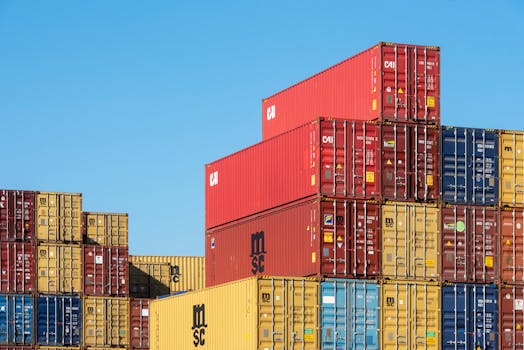 Photo: Jan van der Wolf / Pexels
Comparison
| Feature | Efficient Logistics | Traditional Logistics | Outsourced Logistics (3PL) |
|---|---|---|---|
| Cost Management | Optimized, significant savings | High, often unpredictable | Variable, depends on provider |
| Delivery Speed | Fast, reliable, flexible | Slower, less consistent | Can be fast, provider-dependent |
| Visibility & Tracking | Real-time, end-to-end | Limited, manual updates | Good, via provider's systems |
| Scalability | Highly scalable, adaptable | Limited, difficult to scale | Excellent, built-in flexibility |
| Technology Adoption | High, integrated systems | Low, manual processes | High, cutting-edge solutions |
| Risk Management | Proactive, resilient supply chain | Reactive, vulnerable | Shared, specialized expertise |
| Environmental Impact | Reduced emissions, sustainable | Higher carbon footprint | Varies, potential for optimization |
What Readers Say
"Implementing efficient logistics transformed our e-commerce business. We saw a 15% drop in shipping costs within the first quarter and our customer reviews for delivery speed have skyrocketed. It's been a game-changer for our bottom line and reputation."
Sarah J. · Austin, TX"Our previous logistics were a constant headache, leading to delays and frustrated clients. After overhauling our system for efficiency, we now have real-time tracking, fewer errors, and our on-time delivery rate is consistently above 98%. Our clients are much happier."
Mark D. · Chicago, IL"The insights gained from optimizing our logistics led to a 20% reduction in warehouse labor costs and a significant decrease in inventory holding periods. This directly resulted in a 10% increase in our annual profit margins, exceeding all expectations."
Jessica L. · Miami, FL"While the initial investment in new logistics software was substantial, the long-term benefits are undeniable. We're still fine-tuning some processes, but the improved visibility and reduced transportation spend are already making a positive impact. It's a journey, but a worthwhile one."
David R. · Denver, CO"As a small business, we thought efficient logistics was only for large corporations. However, adopting some key strategies helped us streamline our local deliveries and expand our reach without ballooning costs. It's truly helped us compete with bigger players."
Emily S. · Seattle, WAFrequently Asked Questions
What are the primary benefits of efficient logistics for a business?
The primary benefits include significant cost reductions across transportation, warehousing, and inventory; enhanced customer satisfaction due to faster and more reliable deliveries; a stronger competitive advantage in the market; and improved operational resilience against supply chain disruptions. These benefits collectively lead to increased profitability and sustainable growth.
Is efficient logistics only for large corporations?
Absolutely not. While large corporations often have complex supply chains that benefit immensely, businesses of all sizes can leverage efficient logistics principles. Even small and medium-sized enterprises (SMEs) can implement strategies like route optimization, inventory management software, and strategic partnerships to achieve cost savings and improve customer service.
How can I start improving my company's logistics efficiency?
Begin by conducting a thorough audit of your current logistics operations to identify bottlenecks and areas of waste. Next, consider adopting logistics technology like TMS or WMS. Focus on optimizing your warehouse layout, streamlining inventory management, and analyzing data to make informed decisions about routing and carrier selection. Continuous monitoring and adaptation are key.
What is the typical ROI on investing in logistics efficiency?
The return on investment (ROI) for logistics efficiency can vary widely depending on the initial state of operations and the scope of improvements. However, many companies report significant returns, often seeing cost reductions of 10-20% and improvements in customer satisfaction that translate into increased sales and customer retention. The long-term strategic advantages are often immeasurable.
How does efficient logistics impact environmental sustainability?
Efficient logistics significantly contributes to environmental sustainability by optimizing transportation routes to reduce fuel consumption and emissions, consolidating shipments to minimize empty vehicle miles, and streamlining warehousing to decrease energy usage. This 'green logistics' approach not only reduces a company's carbon footprint but also enhances its brand image among environmentally conscious consumers.
Who within a company is responsible for logistics efficiency?
Logistics efficiency is a cross-functional responsibility, but typically, the supply chain manager, operations manager, or dedicated logistics director leads these efforts. However, effective logistics requires collaboration across departments including procurement, sales, customer service, and IT, as each plays a role in the overall flow of goods and information.
What are the risks of NOT having efficient logistics?
The risks of inefficient logistics are substantial and include higher operational costs, frequent delivery delays and errors, decreased customer satisfaction and loyalty, loss of competitive advantage, increased inventory holding costs, and a heightened vulnerability to supply chain disruptions. These issues can severely impact profitability and long-term business viability.
What future trends will further drive the need for efficient logistics?
Future trends like the continued growth of e-commerce, increasing customer expectations for speed and transparency, the rise of AI and machine learning for predictive analytics, automation in warehousing (robotics), and the push for greater sustainability will all intensify the need for highly efficient and agile logistics operations. Businesses must adapt to remain competitive.
Embrace the transformative power of efficient logistics to propel your business forward. By optimizing your supply chain, you'll not only cut costs and delight customers but also build a resilient foundation for sustained growth and market leadership. Start your journey towards logistics excellence today.